

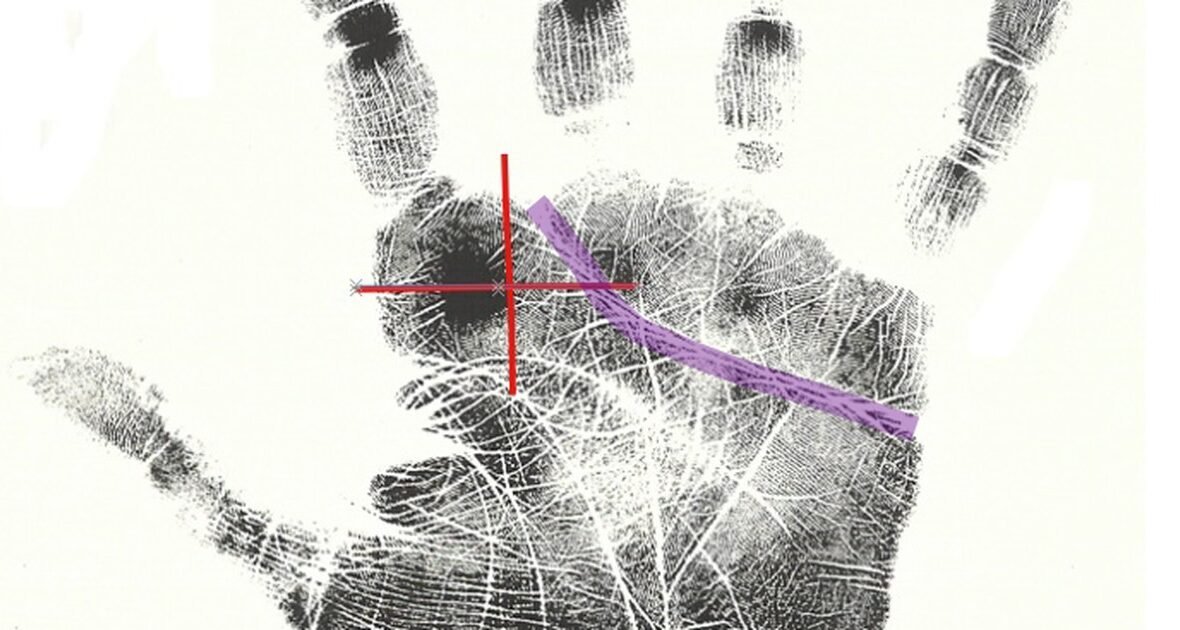
The heart line is one of the four major lines of the hand, and for many people it is the first line they want to understand. In chirology it is usually called the Emotion Line, because it shows how someone feels, connects and gives and receives love. This guide explains the heart line meaning in palmistry and hand analysis: where to find it, what its shape and length reveal, and how to read it alongside the rest of the hand.
Where Is the Heart Line?
The heart line is the uppermost of the major lines. It begins at the outer edge of the palm, below the little finger, and runs across the hand towards the index or middle finger. It sits above the head line, and the space between the two is where heart and head meet.

Heart/Emotion line
What the Heart Line Shows
The heart line is the barometer of our emotions. It shows how someone resonates with the outside world, how their feelings are processed and expressed, and to what extent they connect with other people. Where the head line shows how we think, the heart line shows how we feel, and much of what happens in our relationships can be traced back to it.
A clear, well-formed heart line gives a steady current of feeling. Someone with this line connects easily, expresses themselves naturally and recovers from emotional knocks without carrying them for years. Variations in length, shape and quality change this in specific and recognisable ways.
In relationships, and when I give couples readings, I spend a lot of time exploring the heart lines. They show how each person emotionally connects and what their emotional needs are. These are often quite different, and if they are, it requires understanding and seeing it from both sides. This can be immensely helpful. It allows each person to fully understand the other’s needs and requirements, making the relationship more understood and both parties more aware of each other’s needs.
Where the Heart Line Ends: Idealism or Realism
One of the most revealing features is where the line finishes.
Ending under the index finger. The index finger relates to the self and to ideals, so a heart line ending here belongs to the idealist. These people see the best in others and can easily imagine the perfect relationship. They view people through rose-tinted glasses, which makes them warm and generous partners, but they are also easily disappointed when someone they have placed on a pedestal turns out to be human. They often find it hard to get over an ex, because they remember the best of them. They can also spend a great deal of time and emotional energy analysing their own feelings.
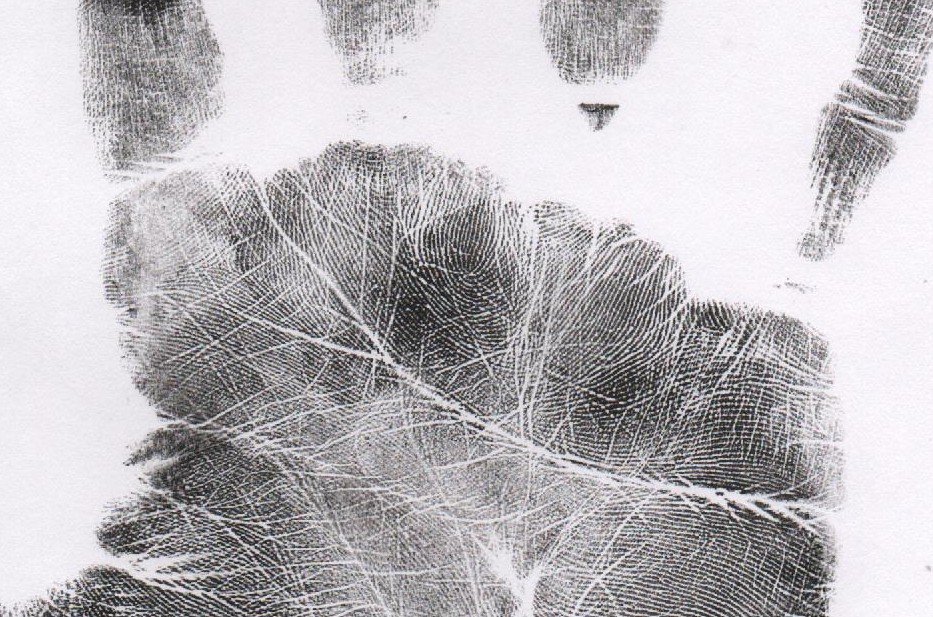
A heart line ending under the index finger: the idealist in love.
Ending under the middle finger. The middle finger relates to realism, structure and practicality. A heart line ending here shows someone who is sensible in love. They are affectionate, but rarely carried away by sentiment, and they look for a partner who is stable, reliable and realistic. These are the people who settle down quickly and marry someone they have known for years.
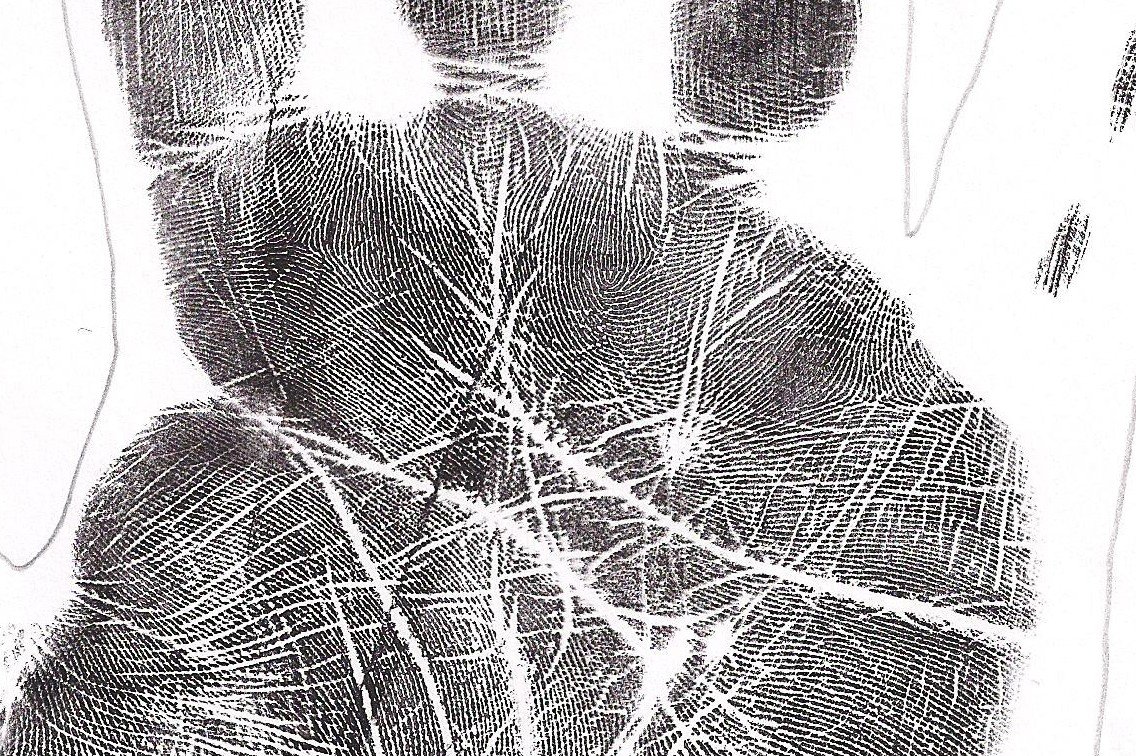
A heart line ending under the middle finger: the realist.
The Curved Heart Line
A curved heart line sweeps up and out towards the fingers. This is the most expressive form of the line. People with a curved heart line show their feelings quickly and openly, they are passionate and physical in how they express love, and they are honest about who they are. Their heart is worn on their sleeve.
For a real example of how this plays out in someone’s life, see my case study on the curved Emotion Line.
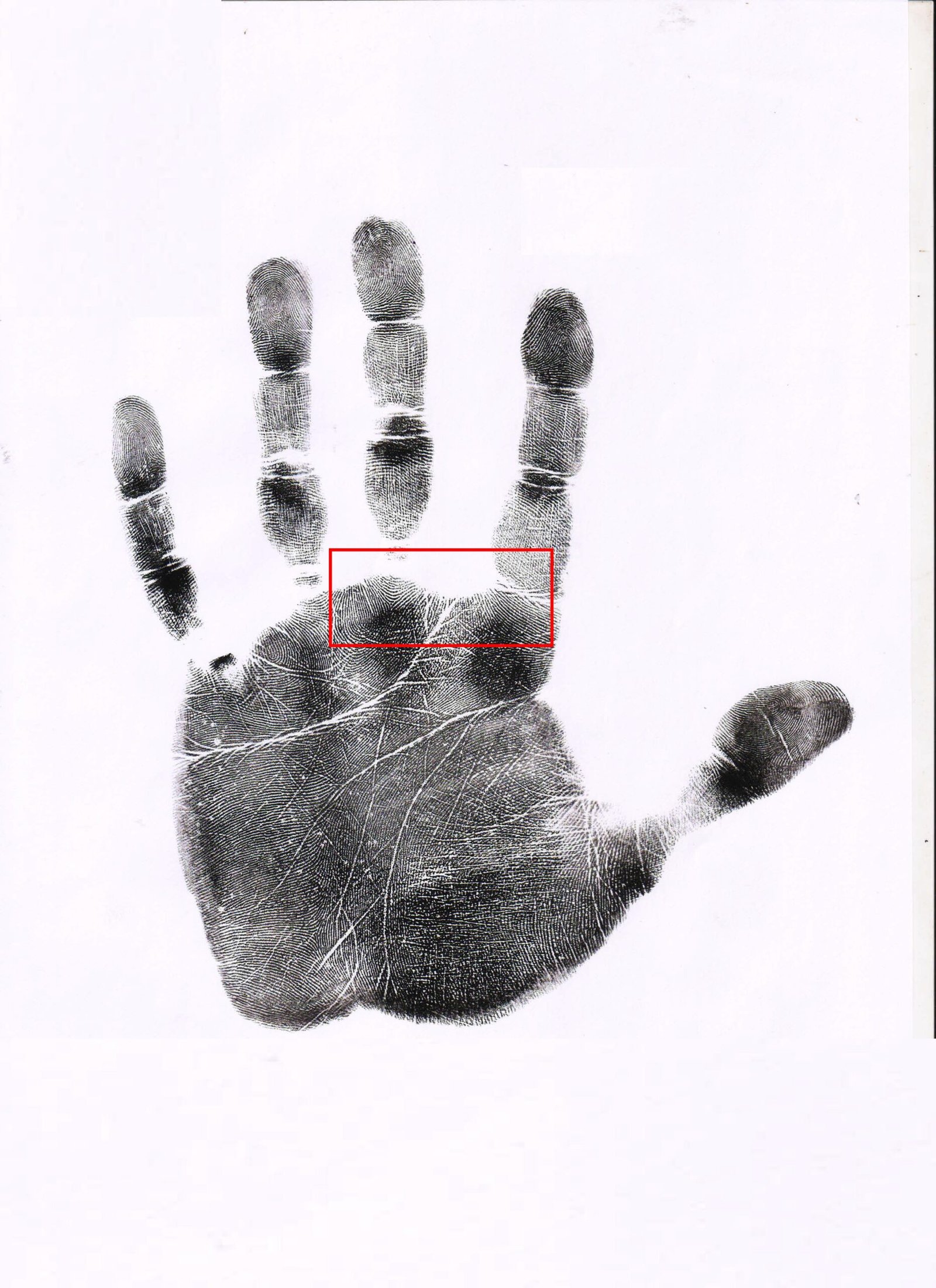
A curved heart line: expressive, passionate and open with feelings.
The Straight Heart Line
When the heart line runs straight across the palm, the energy of the heart sits closer to the head line. Feelings are filtered through thought before they are expressed. People with a straight heart line think about their emotions before acting on them, which makes them considered and loyal, but slower to open up.
They often find it hard to make the first move in a relationship. They can also hold on to hurts, from childhood or from past relationships, for a long time, because emotions that are thought about rather than expressed are not easily released. The challenge is not to overthink and analyse emotions. They have very deep feelings, but find it harder to lead with emotions and romance.
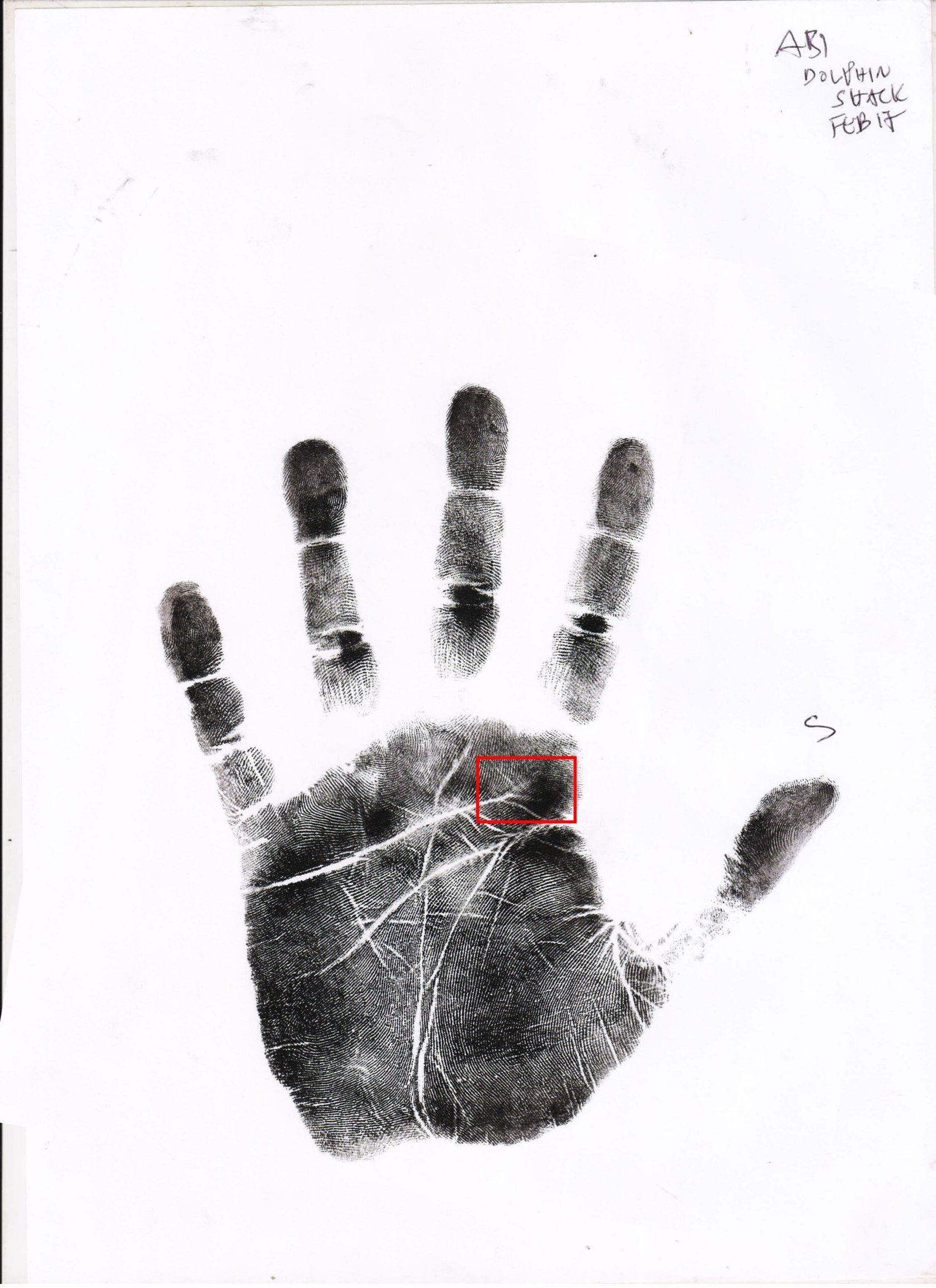
A straight heart line: deep feelings, filtered through thought.
The Short Heart Line
A short heart line shows a limited emotional range, someone whose feelings are kept beneath the surface. They need lots of time on their own and are burnt out by too much emotional energy. They find it harder to know how they feel instantly, as their feelings are held deep inside. They need time and space alone to access their feelings; then, once they have found them, they can share them. People with this line can be serious, slow to trust and uncomfortable communicating their feelings. It takes them a long time to feel close to someone, and they may feel different from or detached from other people.
Relationships start slowly. They are not attracted to overly romantic gestures; that is for the long, curved heart lines. Short heart lines build relationships over time, usually starting with friendship.
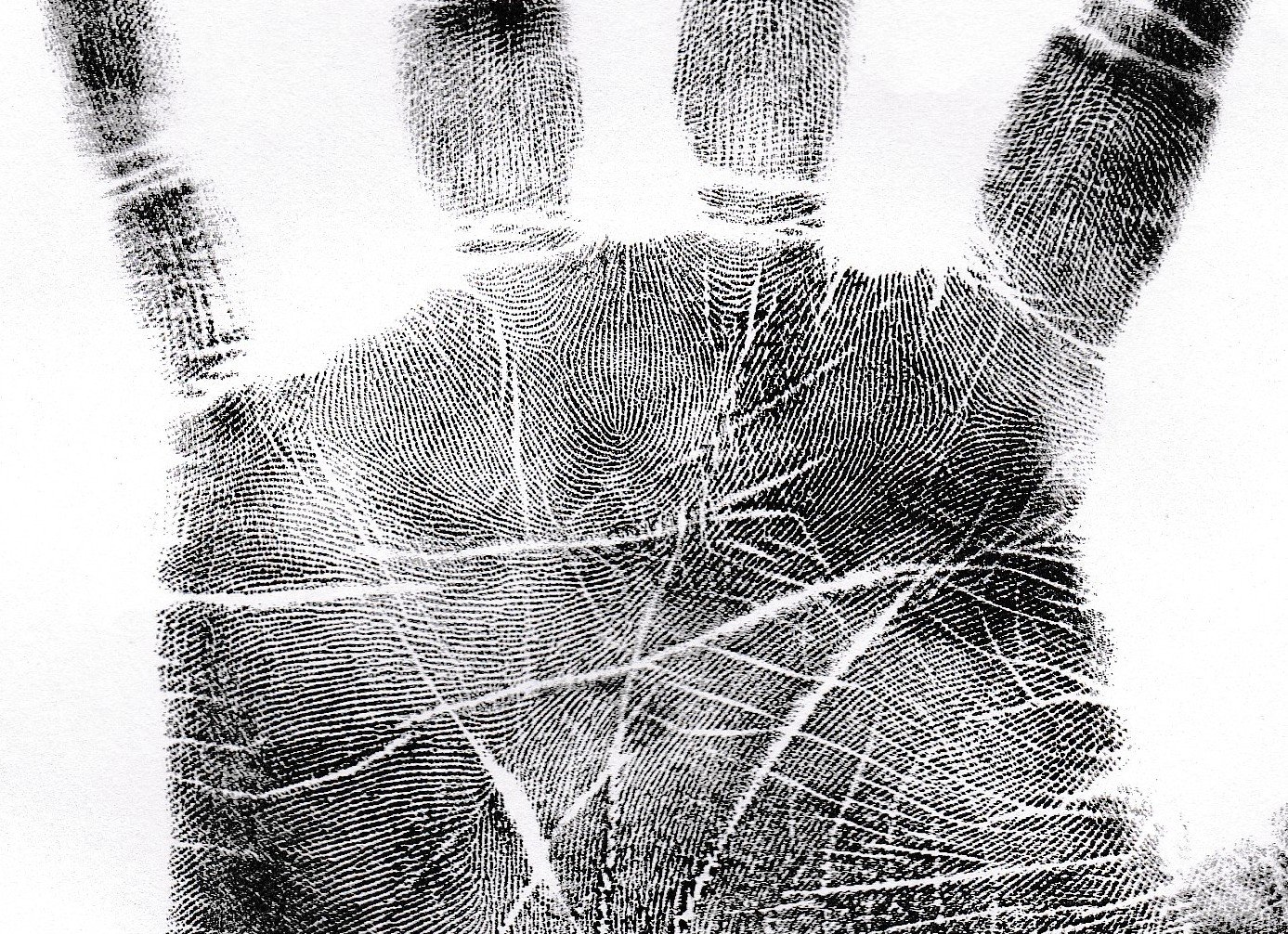
A short heart line: feelings held beneath the surface.
A short heart line is not a bad thing. It often belongs to people who are steady, practical and dependable. But it does mean that opening up, expressing feelings and learning to trust are areas worth working on, and partners with a much longer heart line may need to understand that affection is shown in different ways.
Sometimes a short line sits beneath a longer one, giving someone an outgoing surface with a more reserved nature underneath. I explore this in my case study of the floating Emotion Line.
The Humanitarian Line: A Heart Line That Crosses the Palm
When the heart line runs across the entire width of the palm, it is at its maximum possible length. This is known as the humanitarian line, and it creates a deeply feeling person.
Because the line shows our ability to connect, someone with a humanitarian line is constantly feeling, constantly making connections and constantly giving to others. One client told me she had felt genuinely close to over a hundred people in her life. People with this line resonate with almost everyone.
The difficulty is that this giving is compulsive. There is no gap in the line and so no room for anything else, and the hardest thing for someone with a humanitarian line is to say no. Whether it is declining an invitation, turning down an extra responsibility at work or being unavailable to help a friend, saying no feels almost impossible. Over time they lose sight of their own emotional needs, and resentment builds.
Because the line runs straight rather than curving up and out, these people are often not very expressive with their own feelings, even while they feel deeply for others. They can also find it hard to let go of past hurts. Creative outlets such as art, dance and music give them a productive way to release feeling, but above all, learning to say no is essential.
In my practice I often find this line on carers, volunteers, charity workers and people whose heart is generally in the right place. The point of recognising it is not to change who they are, but to bring choice into a pattern that otherwise runs on its own.
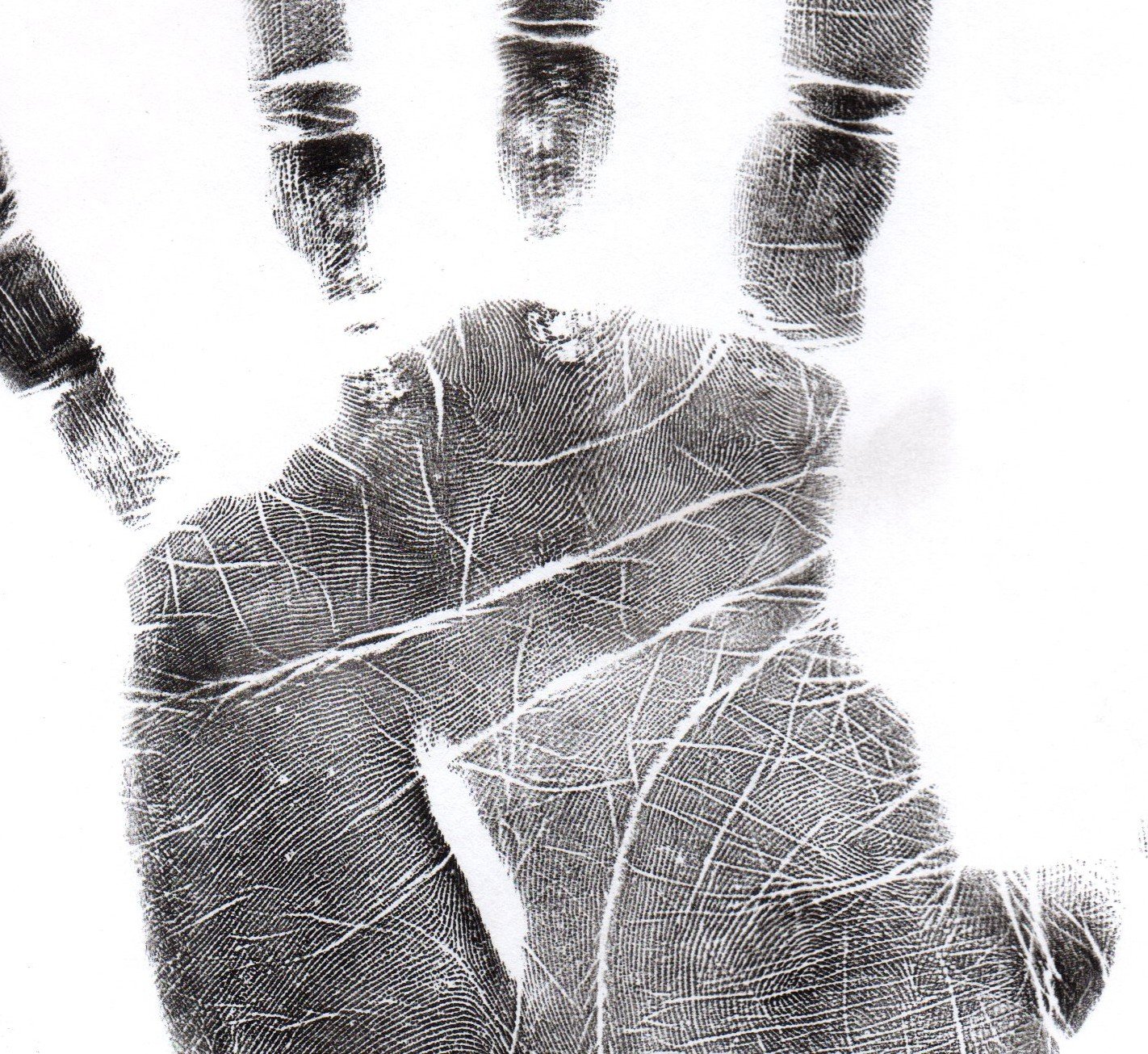
The humanitarian line: a heart line running the full width of the palm. Any line running the full length of the hand creates a compulsion in that area
On the Inner or Outer Hand
Which hand the line appears on makes a real difference. On the inner hand, the compulsive giving is directed towards family. These people love to give to those closest to them, and part of them thrives on it, but in time another part feels trapped. They crave family, then feel overwhelmed by it. They can love their children dearly and want them close, then find themselves longing for space. Clear boundaries and time of their own are vital.
The Humanitarian Line in Combination
No feature of the hand is read in isolation, and the humanitarian line can be complicated by other features.
With whorl fingerprints. I once read a fiery, grainy-skinned hand with a humanitarian line and whorl fingerprints on all ten fingers. Whorls belong to independent, individual people who need their own time and space and dislike following the crowd. The humanitarian line pulls the other way, giving time away and letting every decision be shaped by other people. The result is real inner conflict. The fingerprints never change, so the way forward is to honour that need for independence. Understanding where the conflict comes from is what allows the giving to come back under control.
With a short middle finger. The middle finger relates to conformity and responsibility, and when it is short there is a non-conforming streak. Combined with a humanitarian line on the inner hand, this can create a pattern of giving to family until the rebellious side has had enough, followed by a sudden backlash. In extreme cases this can show as a dramatic break from a relationship. Often, though, the two sit together well: someone devoted to their family who simply refuses to conform to what society expects. For a case study with a short middle finger, see Holy Hands of India: A Sadhu’s Hand Reading.
Other Variations of the Heart Line
A dipping heart line. When the line dips down towards the head line, it can show difficulty expressing emotions. Someone with this pattern will hold feelings, by default keep them inside and analyse them, and find them harder to access and express. It also shows a feminine emotional quality in a man’s hand and a masculine quality in a woman’s.
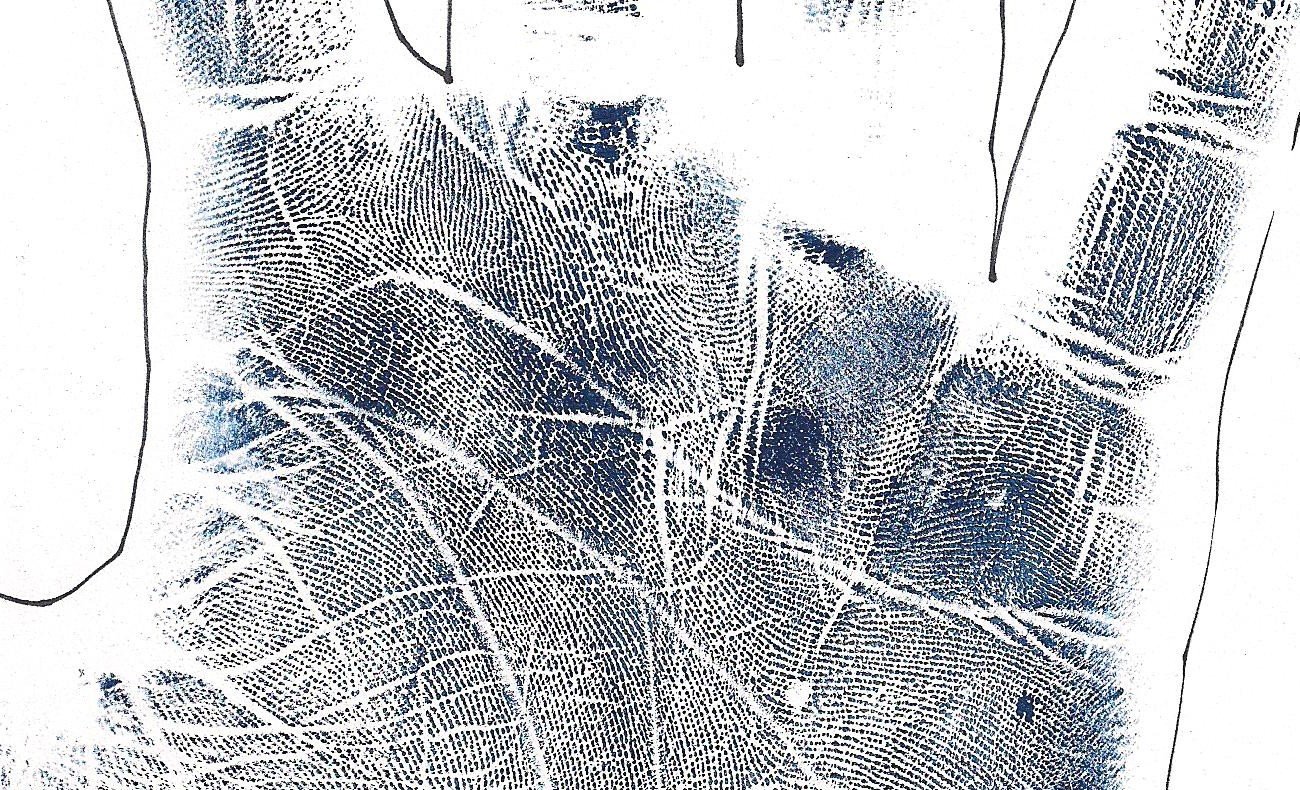
A dipping heart line, falling towards the head line.
Branches falling downwards. Strong branches dropping down from the heart line can show a negative emotional imagination, leaking emotional energy, depression and low moods.
Breaks, chains and poor quality. The heart line carries a current of feeling. When the line is broken, chained or weak, that current struggles to flow, and it often points to emotional blockages and challenges. The clearer and more flowing the heart line, the more open and clear the person’s feelings and emotions. The more scratches, lines and breaks, the more complex the person is emotionally, and the more intense and complex their relationships are. In this sense, the heart line acts as a manifestation of the person’s relationships, as does the rest of the hand with its relative features.
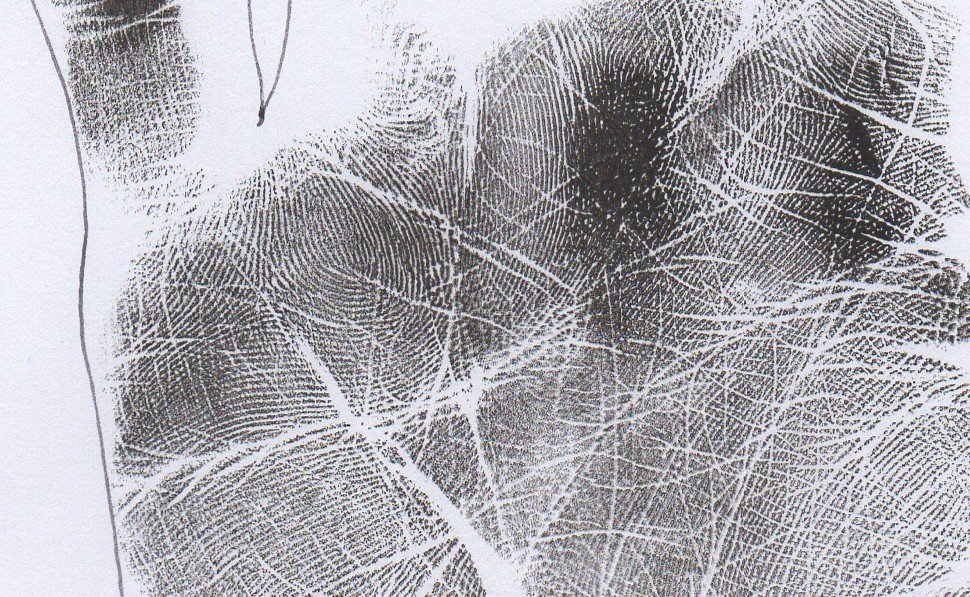
Scratches and breaks on the heart line indicate complex emotional patterns and difficulty expressing. Relationships will be reflected in this.
Spikes at the start of the line. Short spiky lines at the beginning of the heart line, under the little finger, can show protection and difficulty around emotional intimacy. The heart line area under the little finger particularly relates to intimate relations with a partner, as does the quality of the little finger itself.
Crosses on the line. A cross on the heart line often marks emotional hurt and pain.
Reading the Heart Line in Context
The heart line is never read on its own. Hand shape changes everything: a heart line on a Water hand, where feeling is already dominant, means something different from the same line on an Air hand, where thinking leads. Skin texture, the fingers and fingerprints all shape how the line is expressed.
The relationship between the heart line and head line matters especially. When the heart line is stronger and more developed than the head line, the heart rules the head and decisions are made from feeling. When the head line dominates, feelings are governed by thought. In rare cases the two lines fuse into a single line across the palm, which is the Simian line, and the separation between thinking and feeling disappears.
Your weakest line tends to show up in every choice you make. Someone with a weak heart line will approach almost every situation logically, while someone with a dominant heart line will feel their way through life. Neither is better. Understanding which one you are allows you to work with your nature rather than against it.
Can the Heart Line Change?
Yes. The lines of the hand are not fixed in the way fingerprints are. They reflect how we are functioning now, and they can change as we change. A heart line that shows emotional blockages or compulsive giving is not a life sentence; it is a description of a current pattern. Becoming aware of that pattern is often the first step in changing it.
The lines of the hand have also been the subject of serious scientific study. If you are interested in the research, see my article on palmar lines and mental health.
If you would like your own heart line read in the context of your whole hand, you can book a private reading.
Related Reading
- The Curved Emotion Line (Heart Line): A Case Study in Romance and Idealism
- The Floating Emotion Line (Heart Line): A Case Study in Relationships
- Head Line Types in Hand Analysis: Which Are You?
- Major Lines Explained
- Simian Line Explained
- Water Hands: The Emotional and Intuitive Palm Type
- Palmar Lines and Mental Health: The Science of Your Palm Creases
Written by Lawrence Rook, hand analyst and psychotherapist. Lawrence has completed doctoral research in chirology and psychotherapy, holds an MSc in Psychology and is a member of the British Psychological Society.
Leave a Comment