

Science & Research

The Science of Palmistry and Hand Analysis: Research, Evidence and the History of Chirology
Chirology — known more widely as palmistry, hand reading or hand analysis — has a longer and more rigorous scientific history than most people realise. While popular culture associates palm reading with fortune-telling and mysticism, the systematic study of the human hand has been the subject of serious scientific investigation for well over a century, producing a substantial body of peer-reviewed research in fields ranging from genetics and neuroscience to psychiatry and developmental psychology.
This page brings together the scientific evidence for hand analysis — exploring what peer-reviewed research tells us about the relationship between the hands and human psychology, behaviour and mental health. It draws on published scientific literature and on my own research, including a systematic review published in the European Journal of Psychiatry (Rook, 2022).
A note on terminology: chirology, palmistry, hand reading and hand analysis are all terms used to describe the systematic interpretation of the hands. Chirology is the preferred professional and academic term — from the Greek chiro (hand) and ology (the study of). Palmistry and palm reading are the more widely used popular terms, often carrying associations with fortune-telling that contemporary chirology explicitly rejects. Throughout this page the terms are used interchangeably where relevant, but the practice described is always the systematic, psychologically-grounded analysis of the hand — not divination.
What the science shows is that the hands are genuinely remarkable. They develop alongside the central nervous system in the womb, are more densely connected to the brain than any other part of the body, and carry biological information encoded by hormones, genetics and neurodevelopmental processes. The evidence does not support fortune-telling. It does support the idea that the hands are a meaningful map of a person’s psychology, character and biological history.
The History of Chirology and Palm Reading

An ancient Vedic palmistry diagram — one of the earliest known traditions of systematic hand reading, predating European chirology by thousands of years and reflecting the hand’s place within a broader philosophical and cosmological framework.
The systematic study of the human hand has roots stretching back more than three thousand years. The earliest known traditions of hand reading emerged independently in India and China, where interpretation of the hands was deeply embedded within broader philosophical and spiritual frameworks (Fitzherbert, 1992; Jones, 1994).
In ancient China, hand reading developed in relation to the divination of the I Ching, with the hand understood as a reflection of cosmic forces and natural patterns. In India, palm reading became integrated into Vedic philosophy and astrology, the hand viewed as a microcosm of the universe — a tradition that remains deeply embedded in Indian culture to this day (Fitzherbert, 1992). Both Eastern traditions shared a fundamentally holistic worldview, reading the hand not as an isolated biological object but as a reflection of the whole person within the wider cosmos.
The first European texts on hand reading appeared in the thirteenth century, most likely carried into Europe through the influx of Arabic knowledge at that time (Fitzherbert, 1992). Western approaches initially adopted divinatory frameworks — what became known as chiromancy — interpreting the lines and features of the hand as omens and portents. But gradually, Western hand reading began to shift toward systematic classification and anatomical observation.
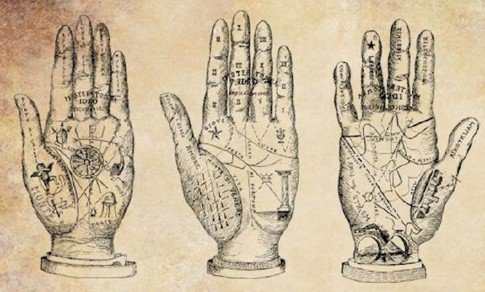
Classical European chiromancy illustrations from Renaissance-era, palmistry manuscripts showing the mapping of the hand, representing the tradition that would eventually give rise to modern chirology.
The Birth of Modern Chirology
The decisive transformation from divination to systematic study occurred in nineteenth century France. Casimir D’Arpentigny established classification systems for hand shapes based on anatomical characteristics, while Adrien Adolphe Desbarolles systematised the interpretation of palmar lines. Together they created what became known as “the new chirology” — the foundation upon which all subsequent practitioners would build (Jones, 1994). For the first time, the hand was being examined not for fortune-telling but for what it revealed about personality, character and psychological type.
This period coincided with a broader scientific revolution. Sir Charles Bell’s pioneering investigation into the anatomy of the nervous system revealed that there are more neural connections between the hand and the brain than between the brain and any other part of the body (Jones, 1994) — a finding that gave chirology its first scientific anchor and one that remains central to understanding why hand analysis works. By the end of the nineteenth century, the medical significance of skin ridge patterns — what we now call dermatoglyphics — had been established, and the application of scientific methods to hand interpretation had begun in earnest. Chiromancy was becoming chirology (Jones, 1994).
From Spier to the Present Day
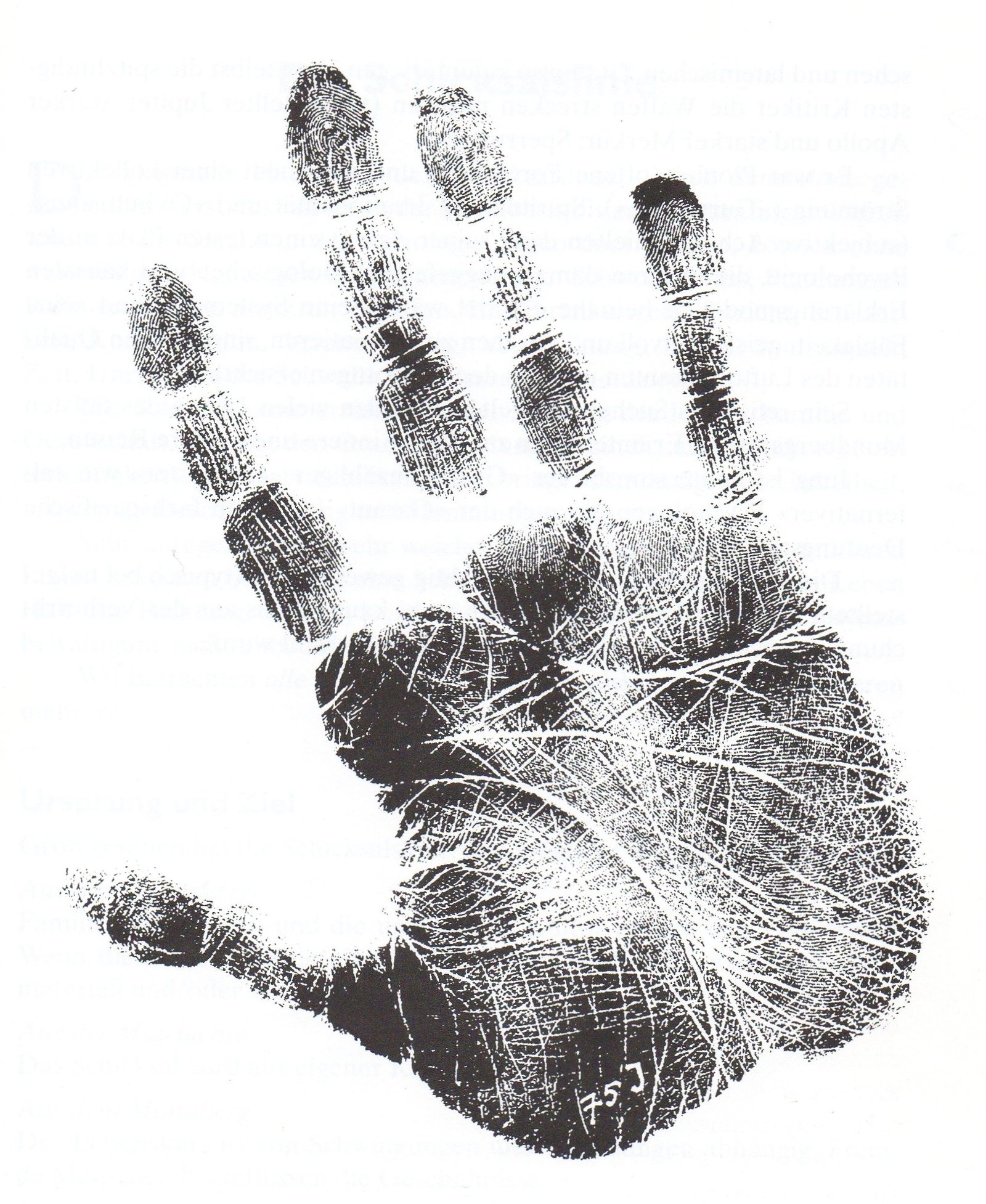
The handprint of Carl Jung, whose connection to Julius Spier helped establish chirology as a serious psychological practice.
The 20th century brought both a significant psychological breakthrough and a troubling chapter to chirology’s history. Julius Spier, working closely with Carl Jung’s circle in the 1920s and 30s, moved hand analysis decisively away from fortune-telling and toward genuine psychological insight — while researchers like Charlotte Wolff, despite real scientific contributions, also entangled hand biometrics with the eugenic thinking of their era. Contemporary therapeutic chirology explicitly rejects that deterministic, hierarchical framing, emphasising individual meaning-making and human dignity instead.
In the decades since, scientific research into the hands has expanded significantly — particularly in dermatoglyphics, palmar lines and digit ratio research — and continues to grow today, with studies demonstrating relationships between hand features and conditions including schizophrenia, autism, ADHD and depression.
Read the full article: A Brief History of Chirology (Palmistry): From Ancient Divination to Modern Science
How the Hands Connect to the Brain
The scientific case for hand analysis begins with a simple but remarkable anatomical fact: the hands are more densely connected to the brain than any other part of the body. Sir Charles Bell’s pioneering investigation into the nervous system established that there are more neural connections between the hand and the brain than between the brain and any other part of the body (Jones, 1994) — a finding that remains central to understanding why the hands reveal something meaningful about a person’s psychology.
Thirty percent of the brain’s motor cortex is dedicated to hand function alone. This extraordinary proportion reflects the evolutionary significance of the human hand — its complexity, precision and intimate relationship with cognition and consciousness. The hands are not merely tools of the body; they are, in a very real neurological sense, extensions of the mind.
The Embryological Connection
The relationship between hands and brain goes deeper than neural wiring. The hands develop embryologically from the same tissue as the brain and nervous system — the ectoderm — during the first trimester of pregnancy (Vonk et al., 2014). The dermatoglyphics — the fingerprints and skin ridge patterns on the palms and fingers — form between seven and nine weeks of gestation, at the same time as the midline brain structures and nervous system are developing (Ahmed-Popova et al., 2014).
This shared embryological origin is the biological foundation for the hand-brain relationship. Disturbances in the prenatal environment — genetic, hormonal or environmental — that affect nervous system development are therefore also likely to leave traces in the formation of the hands. This is why researchers have found correlations between hand features and a wide range of neurological and psychological conditions: the hands and the brain are shaped by the same biological forces.
What Different Parts of the Hand Reflect
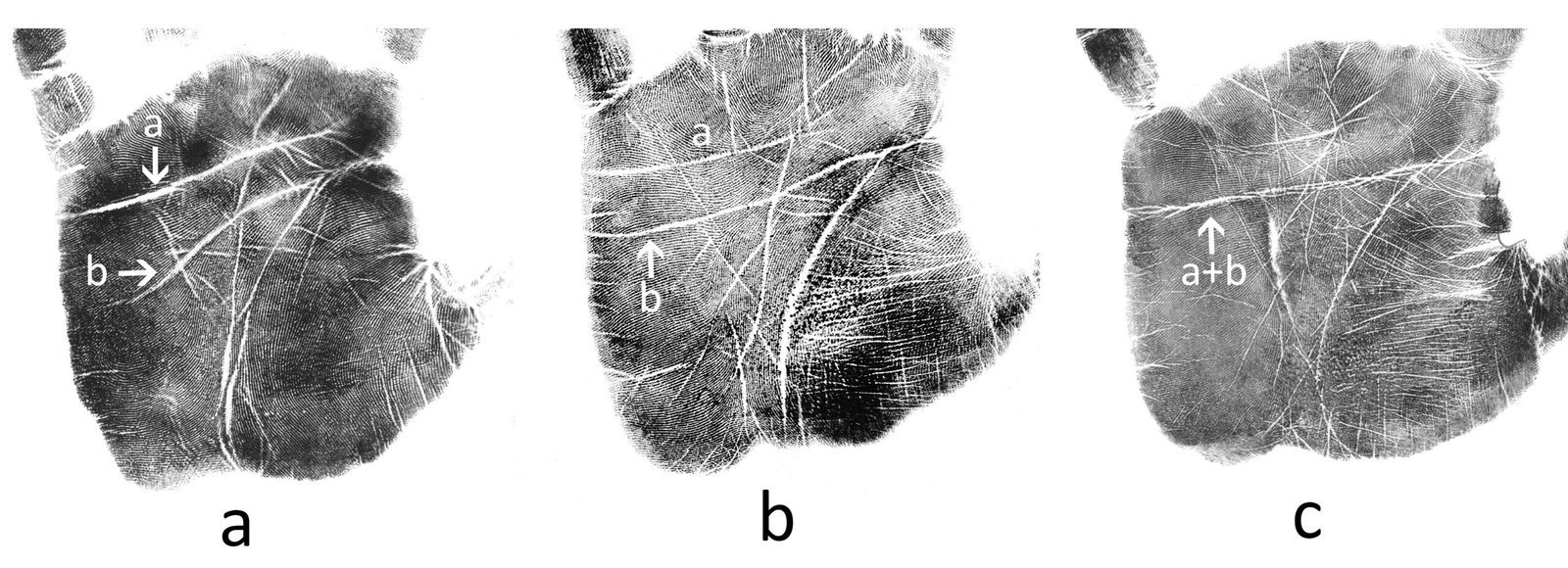
(a) shows a normal palmar crease formation where the distal and proximal transverse creases do not meet. (b) shows a Sydney line where the proximal transverse creases is extend all the way across the palm. (c) shows a Simian line where the distal and proximal transverse creases combine to form a single crease. Each reflecting a distinct psychological, and neurological, profile.
Each aspect of the hand carries different biological information:
The palmar lines develop between seven and nine weeks of gestation through an interplay of genetic and environmental factors (Sharma & Sharma, 2011). They form through an interaction between the developing nervous system and the skin, which is why they are considered a reflection of neurological development and activity rather than simply the result of hand movement or usage. A person’s palmar lines do not change significantly with manual labour — they are set by their neurological blueprint.
The dermatoglyphics — fingerprints and palmar skin ridges — share their morphological origins with the brain and spinal cord (Vonk et al., 2014). Genetic abnormalities and intrauterine disturbances that affect nervous system development are reflected in atypical dermatoglyphic patterns (de Bruin et al., 2014; Golembo-Smith et al., 2012).
The digit ratio — the relative length of the index and ring fingers — is a biomarker of prenatal hormonal exposure, particularly the balance between testosterone and oestrogen in the womb during early foetal development (Berenbaum et al., 2009). The hormonal environment that shapes the fingers also influences brain development and a wide range of psychological and physiological characteristics.
The shape, size and weight of the hand are influenced by hormones and reflect broader constitutional and temperamental characteristics.
Together these features give the hand a unique diagnostic significance — each dimension carrying distinct biological information about the person’s neurological development, hormonal history and genetic inheritance.
Dermatoglyphics: What Your Fingerprints Reveal
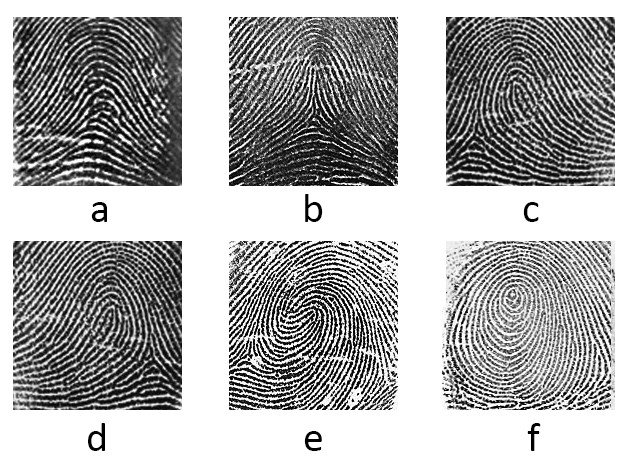
Types of fingerprints defined by the delta point and core. (a) Arch, (b) Tented Arch, (c) Right Loop (radial/ulnar) (d) Left Loop (radial/ulnar), (e) Composite/Double Loop (f) Whorl
Dermatoglyphics — the scientific study of the skin ridge patterns on the fingers and palms, more commonly known as fingerprints — is one of the oldest and most extensively researched fields in hand biometrics. The word comes from the Greek derma (skin) and glyph (carving), and the systematic study of fingerprint patterns has a history stretching back to the late nineteenth century.
The scientific significance of dermatoglyphics lies in their embryological origins. Fingerprints and palmar skin ridges develop from the embryonal ectoderm during the first trimester of pregnancy — the same tissue from which the brain and spinal cord develop (Vonk et al., 2014). This shared morphological origin means that disturbances in prenatal development that affect the nervous system are likely to leave traces in the dermatoglyphic patterns. Genetic abnormalities, environmental disturbances during pregnancy, and factors affecting nervous system development have all been found to produce atypical dermatoglyphic patterns (de Bruin et al., 2014; Golembo-Smith et al., 2012).
Crucially, fingerprints do not change with age, manual labour or life experience. They are fixed in the first trimester and remain stable throughout life — making them a permanent record of a person’s early developmental environment.
Dermatoglyphics and Mental Health
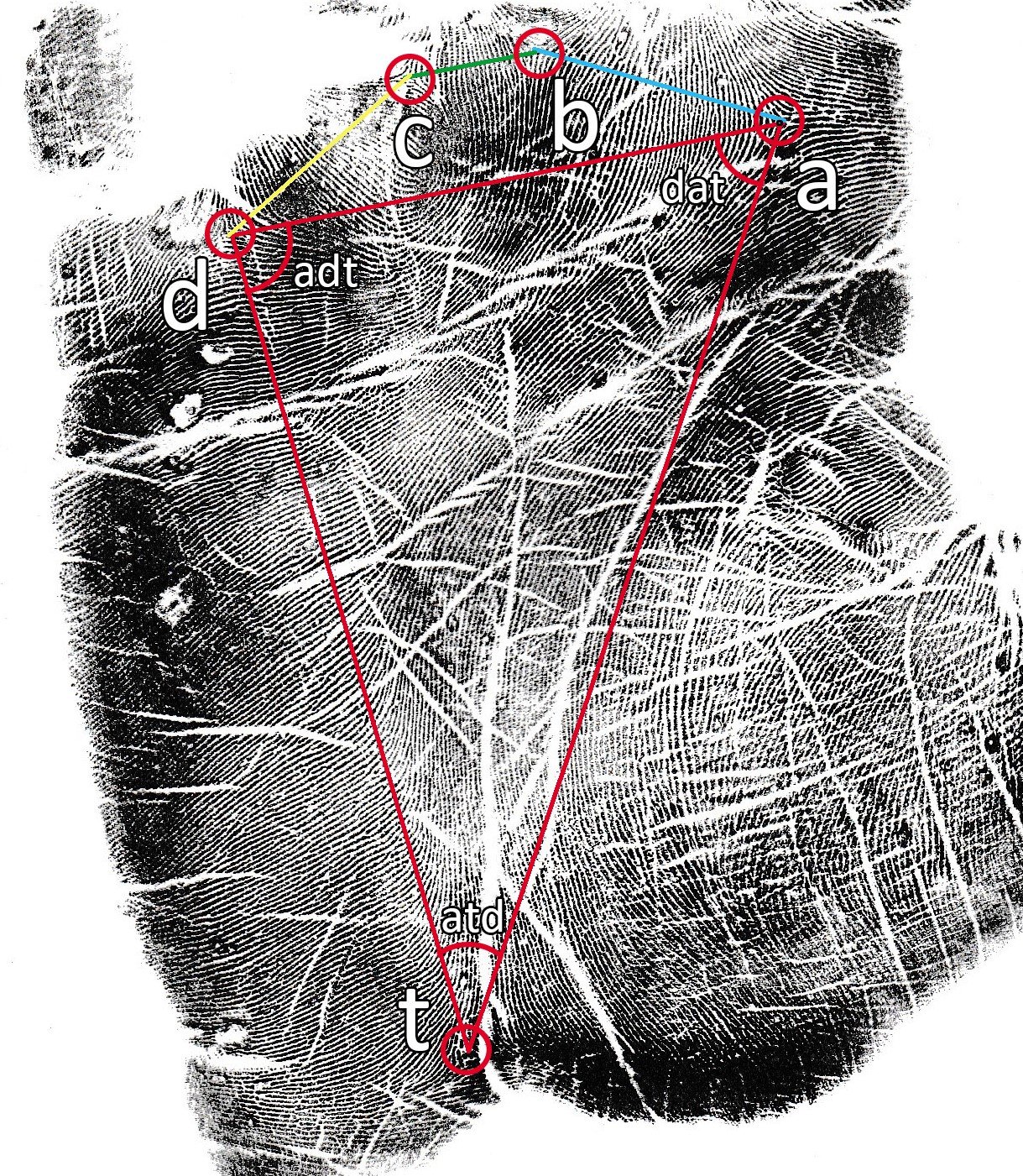
The palmar triradii — reference points labelled a, b, c and d — are located beneath each finger, with the axial triradius (t) at the base of the palm. Ridge counts are measured by counting the skin ridges between these points — for example the a-b count runs between the triradii beneath the index and middle fingers. The ATD and ADT angles are formed by drawing lines connecting the finger triradii to the axial triradius at the base of the palm.
The most consistent body of research concerns the relationship between dermatoglyphic patterns and schizophrenia. The a-b ridge count — the number of skin ridges counted between two specific reference points on the palm — has been repeatedly found to be lower in people with schizophrenia compared to controls. A meta-analysis by Bramon et al. (2005), synthesising nine research papers comprising over 1,300 patients, demonstrated a significantly reduced a-b ridge count in schizophrenic patients compared to controls (p=0.03, effect size 0.39). Similar findings have been reported with fingerprint ridge counts — Shakibaei, Asadollahi and Tabibi (2011) found the left index fingerprint ridge count to be significantly greater in controls compared to schizophrenic patients in a sample of 580 participants.
Fluctuating asymmetry — where the left and right hands show measurable differences in dermatoglyphic patterns — is considered a biomarker of developmental instability during the prenatal period (Sukanta et al., 2003). Research has found significant fluctuating asymmetry in dermatoglyphic patterns among schizophrenic patients (Markow & Gottesman, 1989; Reilly et al., 2001), suggesting that early developmental disturbances leave detectable traces in the fingerprint patterns.
In autism spectrum disorder, Kazemi, Fayyazi-Bordbar and Mahdavi-Shahri (2017) found that children with ASD had significantly lower ridge counts on the right thumb and index finger compared to controls, along with differences in fingerprint loop patterns. Research on intellectual disabilities has similarly found atypical fingerprint patterns — including increased arch patterns and altered ridge counts — compared to neurotypical controls (Rosa et al., 2001; Soman et al., 2015).
What Dermatoglyphics Mean in Chirology
In chirology, the fingerprints are read as indicators of fundamental psychological type — the deepest level of character that is fixed from birth and does not change. The fingerprint patterns — whorls, loops and arches — are understood to reflect core psychological drives, life purpose and the nature of a person’s relationship to themselves and the world.
The scientific research on dermatoglyphics confirms what chirology has long observed empirically: that the fingerprint patterns carry meaningful information about a person’s neurodevelopmental history. Science has found population-level correlations between certain patterns and certain conditions. Chirology reads what those patterns mean for the individual — not as diagnostic categories, but as windows into character, motivation and psychological depth.
Limitations of the Research
As with all single biomarker research, dermatoglyphic studies show meaningful correlations but limited predictive power for any individual. The studies reviewed in my own systematic review (Rook, 2022) showed reasonably consistent findings across schizophrenia research, with some inconsistencies in autism and intellectual disability research. Methodological quality varied across studies, and the field would benefit from larger, more standardised investigations. The most promising direction — confirmed by several studies — is combining dermatoglyphic findings with other hand biomarkers for greater diagnostic utility.
To explore what specific fingerprint patterns reveal about personality and character, read my articles on the individual fingerprint types:
- Ulnar Loops — the most common fingerprint pattern
- Whorl Fingerprints — individuality and intensity
- Simple Arch — reliability and groundedness
- Radial Loop — the outward facing loop
- Tented Arch — the rarest and most dynamic print
- The Double Loop Composite — the yin-yang print
Palmar Lines and Mental Health
Of the three main fields of hand biomarker research reviewed in my published systematic review (Rook, 2022), palmar crease research produced the most consistent findings. Unlike dermatoglyphics or digit ratio studies, where results were sometimes contradictory, the palmar crease research showed a remarkably coherent pattern across studies — making it the strongest evidence base for the relationship between hand features and psychological conditions.
The Science of Palmar Lines
The palmar lines — the major and minor creases of the hand — develop between seven and nine weeks of gestation, before finger movement begins (Wahl, Dupont & Tubbs, 2019). They form through an interplay of genetic and environmental factors (Sharma & Sharma, 2011) and are linked to the central nervous system through their simultaneous development from the ectoderm — the same embryological tissue that produces the brain and spinal cord (Bracha et al., 1991). This shared developmental origin means that atypical palmar crease patterns are understood as potential indicators of disturbances in prenatal neurological development.
Unlike what many people assume, the lines of the hand do not primarily develop through use or manual work. They are formed in the womb and reflect the neurological blueprint of the individual — which is why they remain relatively stable throughout life and carry meaningful biological information.
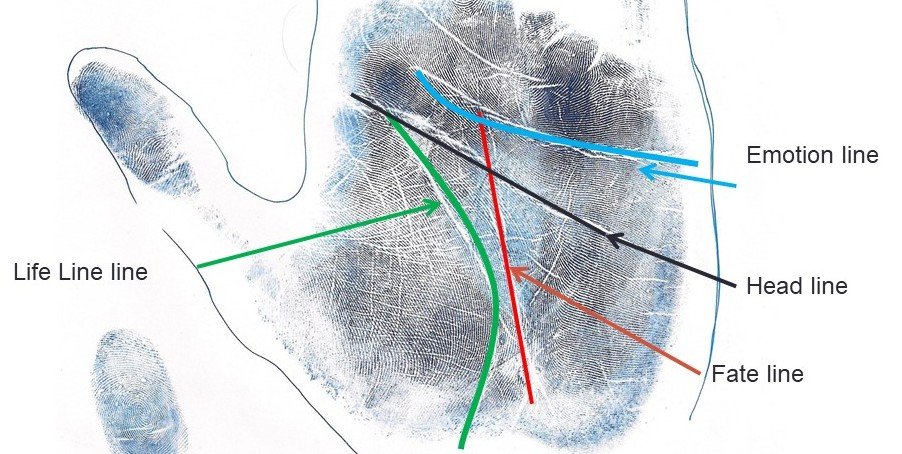
The four major lines on the hand.
The Simian Line
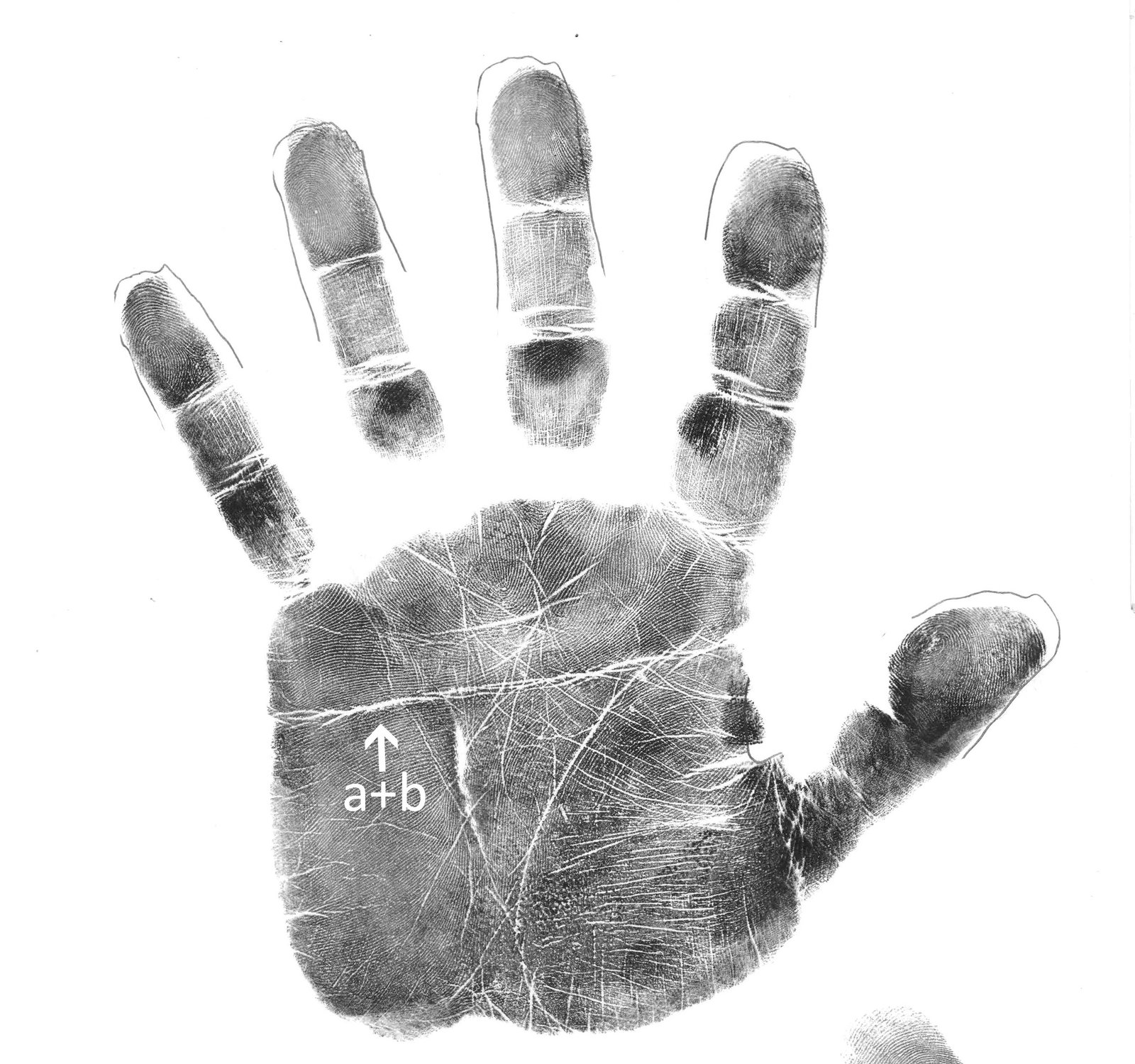
Simian line — the single transverse palmar crease, where the heart (a) + head (b) line merge as one.
The Simian line — the single transverse palmar crease — is the most studied individual palmar line in relation to mental health. Research has found associations between the Simian line and a range of neurodevelopmental conditions, alongside its established role as a marker in medical genetics.
Read more about the Simian line:
What Palmar Lines Mean in Chirology
In chirology, the major lines of the hand — the life line, heart line, head line and fate line — are read as a map of a person’s psychological life. They are understood to reflect stability, vitality, emotional life, cognitive patterns and life direction. The minor lines add further nuance and detail.
The scientific research on palmar lines confirms that these features carry genuine biological information — that atypical formations are associated with neurological and psychological conditions at a population level. What chirology adds is the individual dimension: not what statistical group a person belongs to, but what their specific line configuration reveals about how they function, feel, think and engage with the world.
The consistency of the palmar crease research is striking. Of the three biomarker fields reviewed in my systematic review, palmar creases produced the most consistent findings — with all studies reporting significant results. This is the strongest scientific evidence that the hand lines carry meaningful psychological information.
Read the full article: Palmar Lines and Mental Health: The Science of Your Palm Creases
The Digit Ratio: Finger Length and Psychology
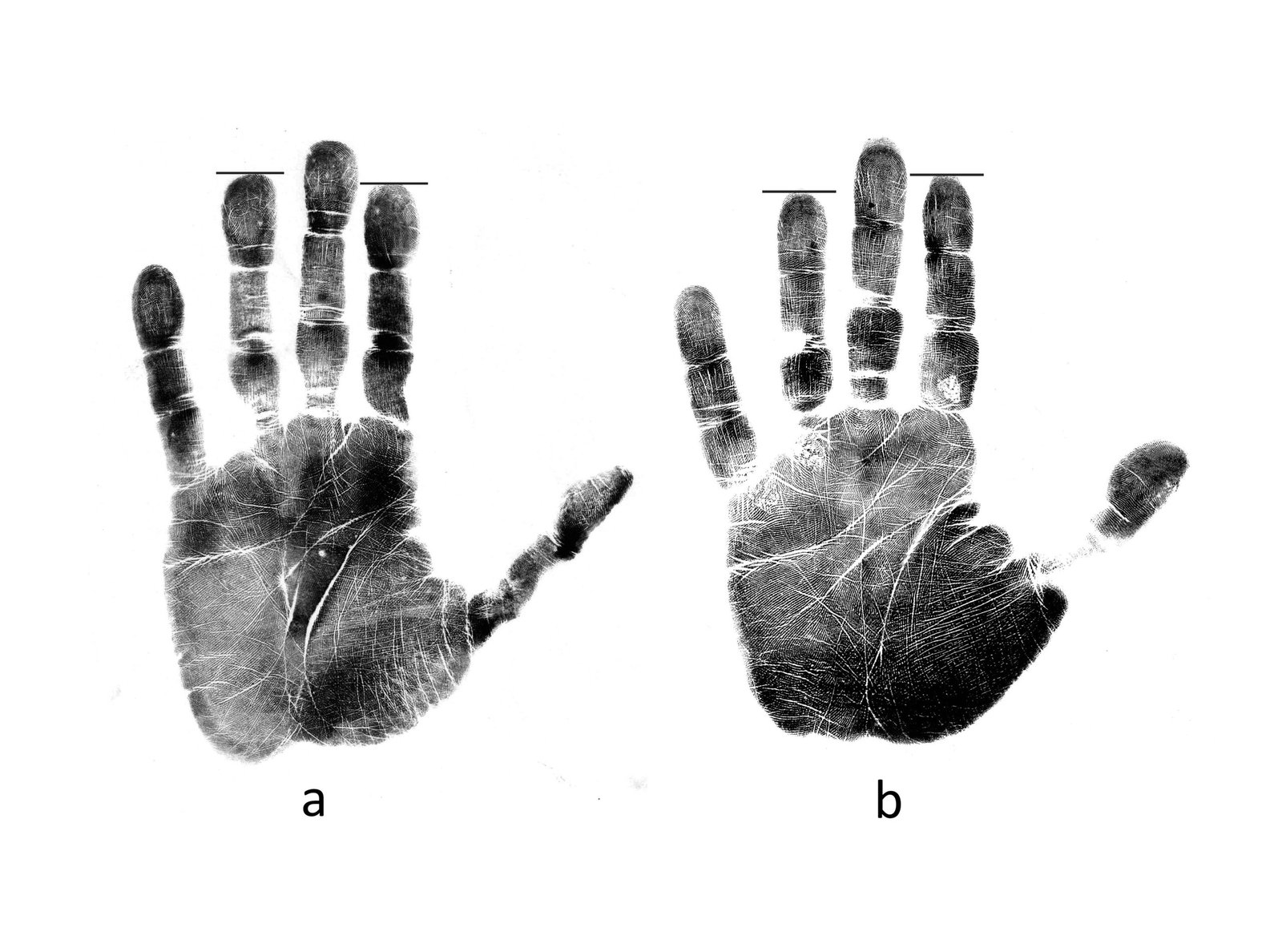
A low digit ratio (left) where the ring finger is longer, associated with higher prenatal testosterone, compared to a high digit ratio (right) where the index finger is longer.
The third major field of hand biomarker research concerns the digit ratio — the relative length of the index finger compared to the ring finger, written as 2D:4D. Unlike palmar lines and dermatoglyphics, which develop from the same embryological tissue as the nervous system, the digit ratio is primarily a biomarker of prenatal hormonal exposure — specifically the balance between testosterone and oestrogen in the womb during the first trimester of pregnancy (Manning et al., 1998).
A lower digit ratio — where the ring finger is notably longer than the index finger — is associated with higher prenatal testosterone exposure. A higher ratio — where the index and ring fingers are closer in length — is associated with higher prenatal oestrogen. This difference is consistent across cultures and populations, and men on average have lower digit ratios than women — one of the most reliably replicated findings in this field.
The research linking digit ratio to psychology and behaviour is extensive. Lower ratios have been associated with physical aggression, financial risk-taking and competitive behaviour. A landmark study of traders on a London trading floor found that those with lower digit ratios were significantly more profitable over a 20-month period (Coates & Herbert, 2008). In mental health research, lower ratios have been associated with autism spectrum disorder — consistent with the Extreme Male Brain theory — and with alcohol dependence and addictive behaviour. Higher ratios have shown associations with schizophrenia in some populations.
Of the three biomarker fields reviewed in my systematic review (Rook, 2022), digit ratio produced the least consistent results overall — suggesting that as a single biomarker it is too limited to reliably predict complex psychological conditions. Its most meaningful applications appear to be in understanding population-level tendencies in specific areas such as ASD, risk-taking and sexual dimorphism rather than individual diagnosis.
In chirology, the index and ring fingers — known as the Jupiter and Apollo fingers — are read in a far more nuanced way than any population-level ratio captures. Their individual length, shape, flexibility and the quality of their lines all contribute to a rich picture of a person’s sense of self, relationship to authority, creativity and emotional expression. The digit ratio research confirms that something meaningful is happening with these finger proportions at a biological level. Chirology explores what that means for the individual.
Read the full article: What Your Ring Finger Reveals: The Science of the 2D:4D Digit Ratio
My Published Research: A Systematic Review of Hand Biomarkers and Mental Health
In 2022, I published a peer-reviewed systematic review in the European Journal of Psychiatry — one of the leading journals in European psychiatry — titled Biomarkers of Mental Illness and the Human Hand: A Systematic Review (Rook, 2022). This was the first systematic review to examine all three primary fields of hand biomarker research — dermatoglyphics, palmar creases and digit ratio — together in relation to mental illness.
A systematic review sits at the apex of the research evidence hierarchy. Rather than conducting a single study, it systematically collates and synthesises the findings of all relevant published studies addressing a clearly defined research question, following rigorous methodology to minimise bias. For this review, databases including Web of Science, Scopus and MEDLINE were searched, producing 513 initial results. Following screening and selection according to PRISMA guidelines, 29 studies met the eligibility criteria — comprising a total of 13,030 participants across 12 mental health conditions including schizophrenia, autism spectrum disorder, ADHD, intellectual disabilities, depression, bipolar disorder, psychosis, alcohol dependency and gender dysphoria.
Key Findings
Palmar creases showed the most consistent relationship to mental illness. Every palmar crease study in the review produced significant findings — the most consistent result across the entire review. Schizophrenia and intellectual disabilities showed the strongest associations.
Dermatoglyphics showed the next most consistent findings, with most studies producing significant results and only minor inconsistencies — particularly in schizophrenia research, where the evidence base is most developed.
Digit ratio produced the least consistent results, with some non-significant findings and contradictory results across conditions. The conclusion was that the digit ratio, as a single biomarker, may be too limited to account for the complexity of psychological disorders — though it shows meaningful associations in specific areas, particularly autism spectrum disorder, ADHD and risk-taking behaviour.
The Most Important Finding
The clearest implication of the review was that combining multiple hand biomarkers produces significantly stronger results than any single biomarker in isolation. Studies that combined palmar crease formations with dermatoglyphic patterns and other hand features achieved diagnostic accuracy approaching 80-85% for schizophrenia — the threshold considered clinically meaningful. This points toward an integrated approach to hand biomarker assessment as the most promising direction for future research.
What This Means
This review established for the first time that there is a coherent, peer-reviewed evidence base across multiple fields for the relationship between hand features and mental health. The hands are not merely an ancient divinatory tool — they carry genuine biological information about neurological development, hormonal history and psychological functioning that is detectable through scientific methods.
The review also confirmed what chirology has observed empirically for over a century: that no single feature of the hand tells the complete story. It is the combination of features — lines, fingerprints, finger proportions, hand shape — read together as an integrated whole, that gives the most meaningful and accurate picture of a person’s psychology. This is the approach that therapeutic chirology has always taken.
Doctoral Research — Coming Soon
My doctoral research at the New School of Psychotherapy and Counselling addresses an important gap in chirology research — the science establishes that hand features correlate with psychological characteristics at a population level, but nobody had explored what actually happens for clients in a chirology session from their own perspective.
This research, the first qualitative study of its kind on chirology, explores the lived experience of receiving a hand analysis reading. The findings will be presented here after formal academic publication.
Frequently Asked Questions
Is palmistry scientific?
Palmistry, in the traditional sense of predicting the future from the lines of the hand, is not scientifically proven. However, the human hand itself is the subject of extensive scientific research. Fields such as dermatoglyphics, palmar crease research and digit-ratio research have produced peer-reviewed evidence showing relationships between certain hand features and biological and psychological characteristics. The important distinction is between palmistry as divination and the scientific study of the hand.
What does research say about palm reading and psychology?
A systematic review published in the European Journal of Psychiatry (Rook, 2022) examined research across three primary fields of hand biomarker research: palmar lines, fingerprints and finger-length ratios. Across 29 studies comprising 13,030 participants, the review identified statistically significant associations between hand features and a range of mental health conditions. Palmar lines showed the most consistent findings, followed by fingerprints, while digit ratio was less consistent.
What are dermatoglyphics?
Dermatoglyphics is the scientific study of the skin ridge patterns on the fingers and palms, including fingerprints. These patterns develop during prenatal development and remain largely stable throughout life. Because their development is influenced by genetic and environmental factors during early development, dermatoglyphics has been investigated as a potential source of biological information and as a biomarker in medical and psychological research.
What is the most consistent scientific evidence for hand analysis?
Of the three main areas reviewed in the research, palmar crease studies have produced some of the most consistent findings. Research combining multiple hand biomarkers has also reported substantially higher classification or diagnostic accuracy than studies examining individual features in isolation. The broader finding is that combinations of hand features may provide more informative results than any single feature alone.
How does chirology differ from palmistry?
Palmistry is the popular term for hand reading and is often associated with fortune-telling and divination. Chirology — from the Greek cheir (hand) and logia (study) — refers to the systematic analysis of the hand as practised by professional hand analysts. Chirology, as used here, does not claim to predict the future. Instead, it interprets hand features in relation to psychology, character, temperament and biological development, drawing on both empirical research and traditions of psychological hand analysis associated with figures such as Julius Spier and his work with Carl Jung.
The scientific content on this page draws on peer-reviewed research reviewed as part of my MSc dissertation at the University of Liverpool.