

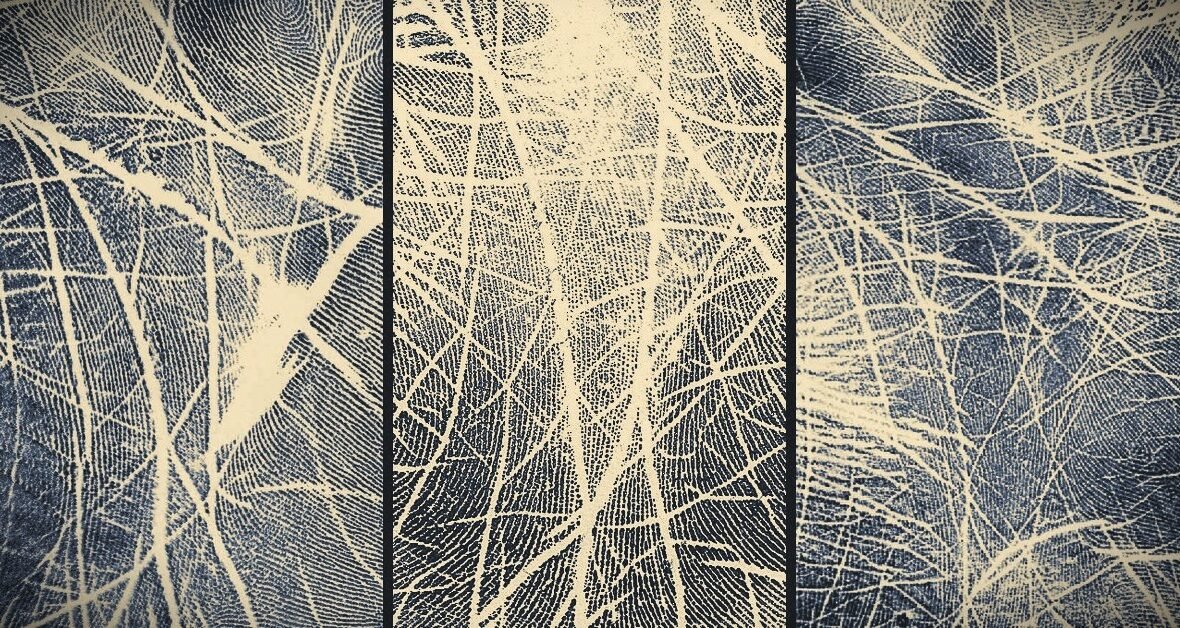
If you have looked at your palms and wondered why they are covered in lines while other people’s look almost bare, you are not alone. It is one of the questions I am asked most often, and the answer says a great deal about how you are made.
Where do the lines on the hand come from?
Many people assume the lines on their hands are simply creases, worn in over the years by gripping and bending. In fact, the main lines of the hand form very early, while a baby is still in the womb, and research suggests they appear before the fingers are actively bending. So they are not just wear and tear.
Because the lines develop at the same time as the nervous system, chirology (the modern, research-informed form of palmistry) reads them as a reflection of how a person is wired: how they think, how much energy they carry, and how they respond to the world around them. It is also why the lines on your hands tend to stay much the same throughout your life. You can read more about the research on the Science and Research page.
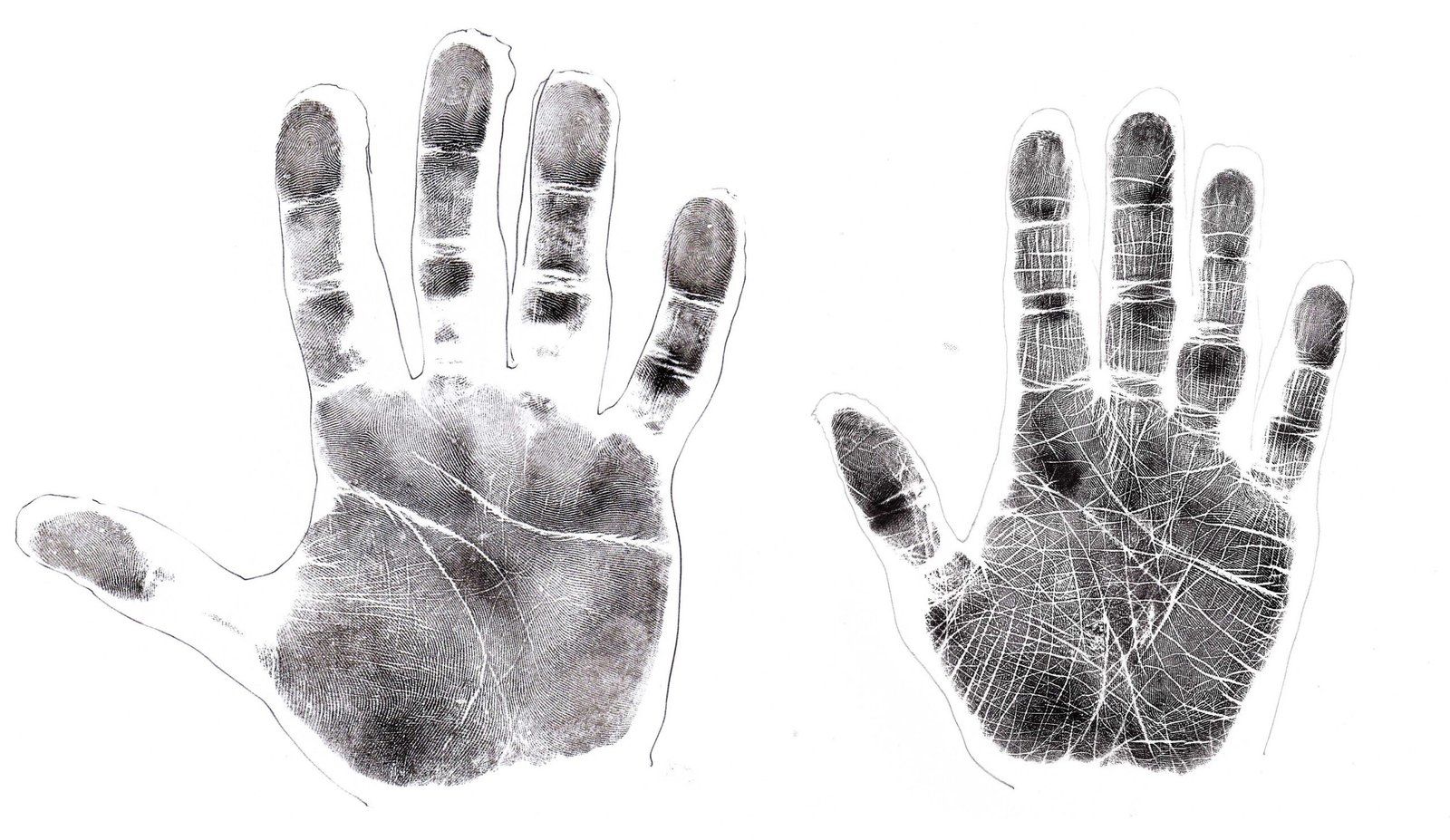
Right: the almost empty hand of a 65-year-old manual worker. Left: the full hand of an 18-year-old. Decades of manual work have not added lines: line density reflects the nervous system, not age or use.
What is a full hand?
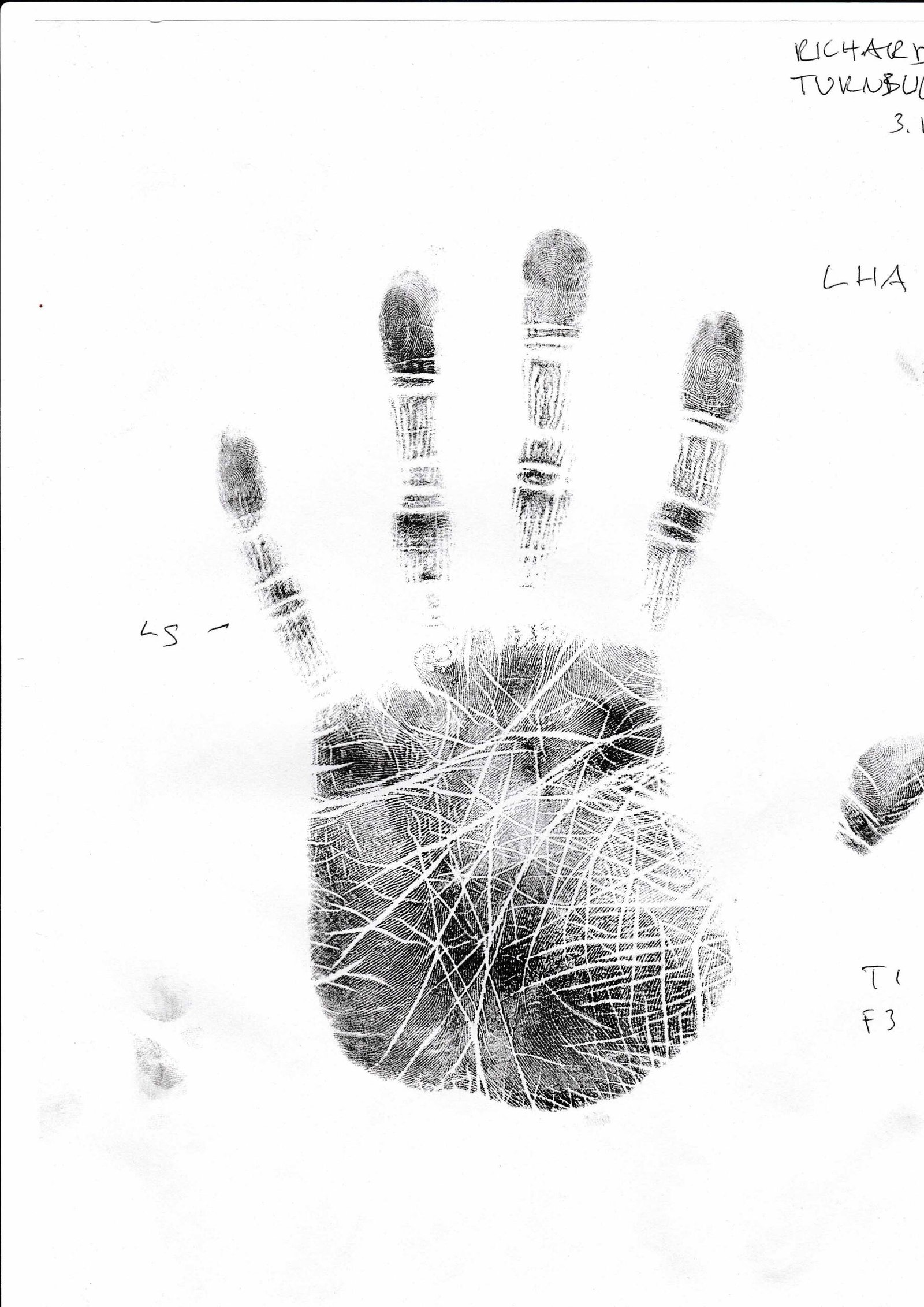
A full hand with strongly etched in lines, given a Fire element quality
In palmistry and hand analysis, a palm with a very high density of lines is called a full hand. People with full hands are usually very aware of them. They often remember having these lines since childhood, and nothing they do seems to change them. Moisturiser won’t reduce them, and neither will using the hands less. That makes sense once you see the lines as a reflection of the nervous system rather than of what the hands have been doing.
In this article I am focusing on full hands where the lines are strongly etched, cut deeply and clearly into the palm. This gives the hand a pronounced fire element quality.
The individual lines on a full hand can of course be read one by one, but the most useful way to understand it is as a whole, a gestalt. The overall pattern tells you more than any single line.
What a strongly lined full hand means
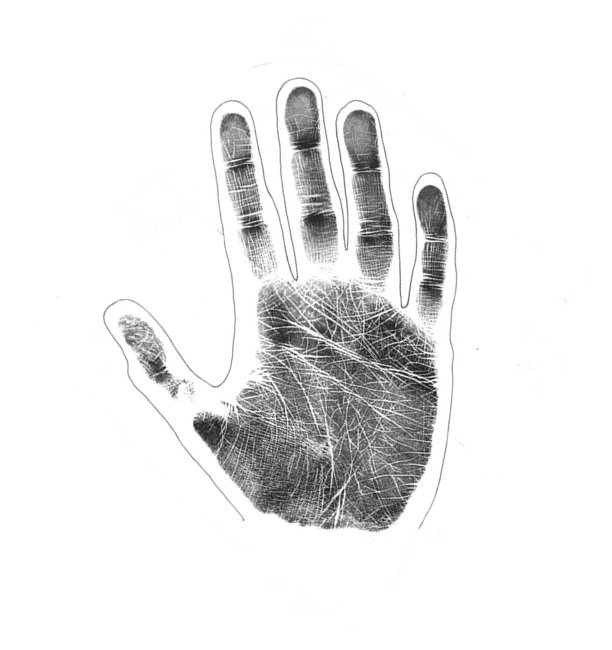
A full hand with a dense network of lines
A full hand shows a nervous system wired for stimulation. When the lines are strongly etched, it points to a huge amount of versatile energy that needs to be constantly expressed and used. People with this hand need challenge, change, excitement and variety, and there is no point in them trying to quell it.
I see it time and again: people with this hand type try to force themselves to relax in the way they think they should, and they simply can’t. It isn’t how they are made. They relax differently, usually by doing. Only after a full day of learning, challenge, creativity, exertion and variety can they properly wind down.
What a full hand needs
Doing just one thing is rarely enough. People with this hand type do best with three or four things on the go: hobbies at home, projects and challenges at work.
Physical activity is a must. There is a great deal of kinetic energy in this nervous system, and it needs to be released physically. High-intensity exercise suits it best.
When there aren’t enough outlets for all that energy, it turns inward. They become tense and frustrated, anger builds, and they can explode more easily.
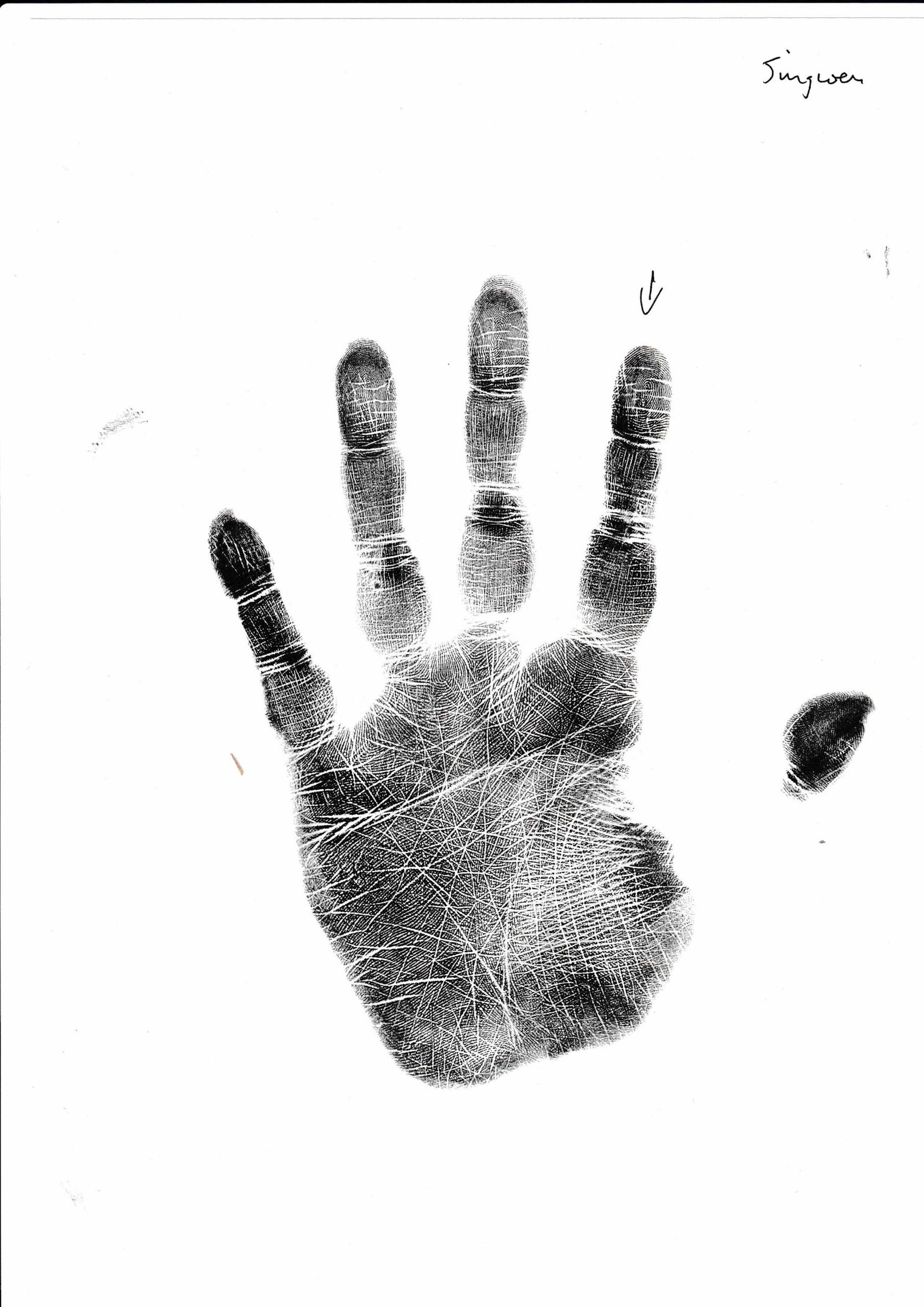
For contrast: this full hand has softer, finer lines and more sensitive skin, closer to the water element. It has a more refined, sensitive quality than the strongly etched, ‘electric’ lines of the fire type.
Working with your type, not against it
As with so much in palmistry, the key is understanding your type: what it needs, how it differs from others, and how to work with it. People with a fiery full hand should not try to suppress their energy in order to be ‘normal’. Their bodies aren’t wired that way. The more they do, the more they create and the more challenges they take on, the better they tend to feel.
The one thing to manage is burnout, since winding down isn’t in their nature.
But the central recognition is this: their mind and nervous system need high levels of stimulation. When that is acknowledged and worked with, rather than fought, a great deal of satisfaction follows, and the person feels in balance.

Leave a Comment