

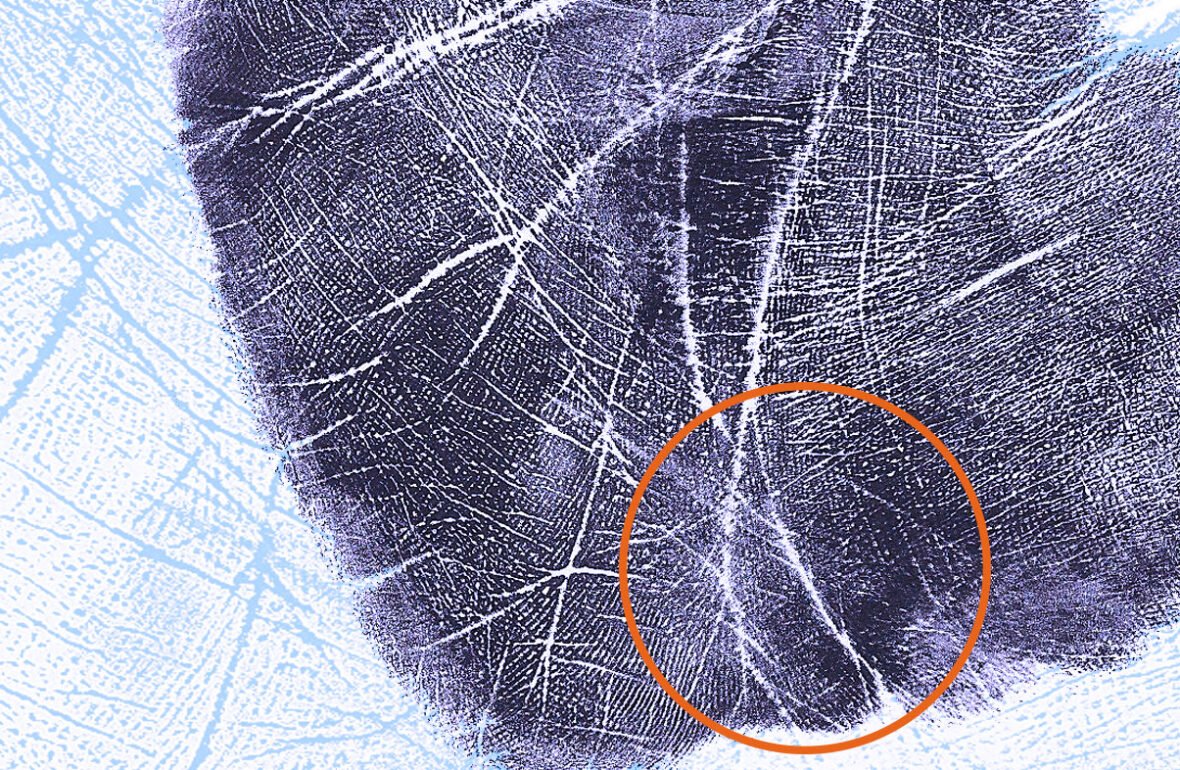
The Life Line shows how grounded, supported and secure you feel — it is your root, your foundation. This manifests on an emotional, psychological and physical level simultaneously.
The very base of the Life Line is most akin to our physical root. Variations in this area relate to our sense of grounding, stability, home, base and body.
What is a Fork in the Life Line?
A fork in the Life Line is a fairly common pattern. It appears as a branching — a V-shaped division at the base of the Life Line.
A fork on any line gives diversity. It means the line has greater range. On the Head Line it shows diversity in how one perceives, thinks and translates information. On the Heart Line it shows a range of emotional expression and connection. On the Life Line, it shows versatility in someone’s root — their home, sense of base and foundation.
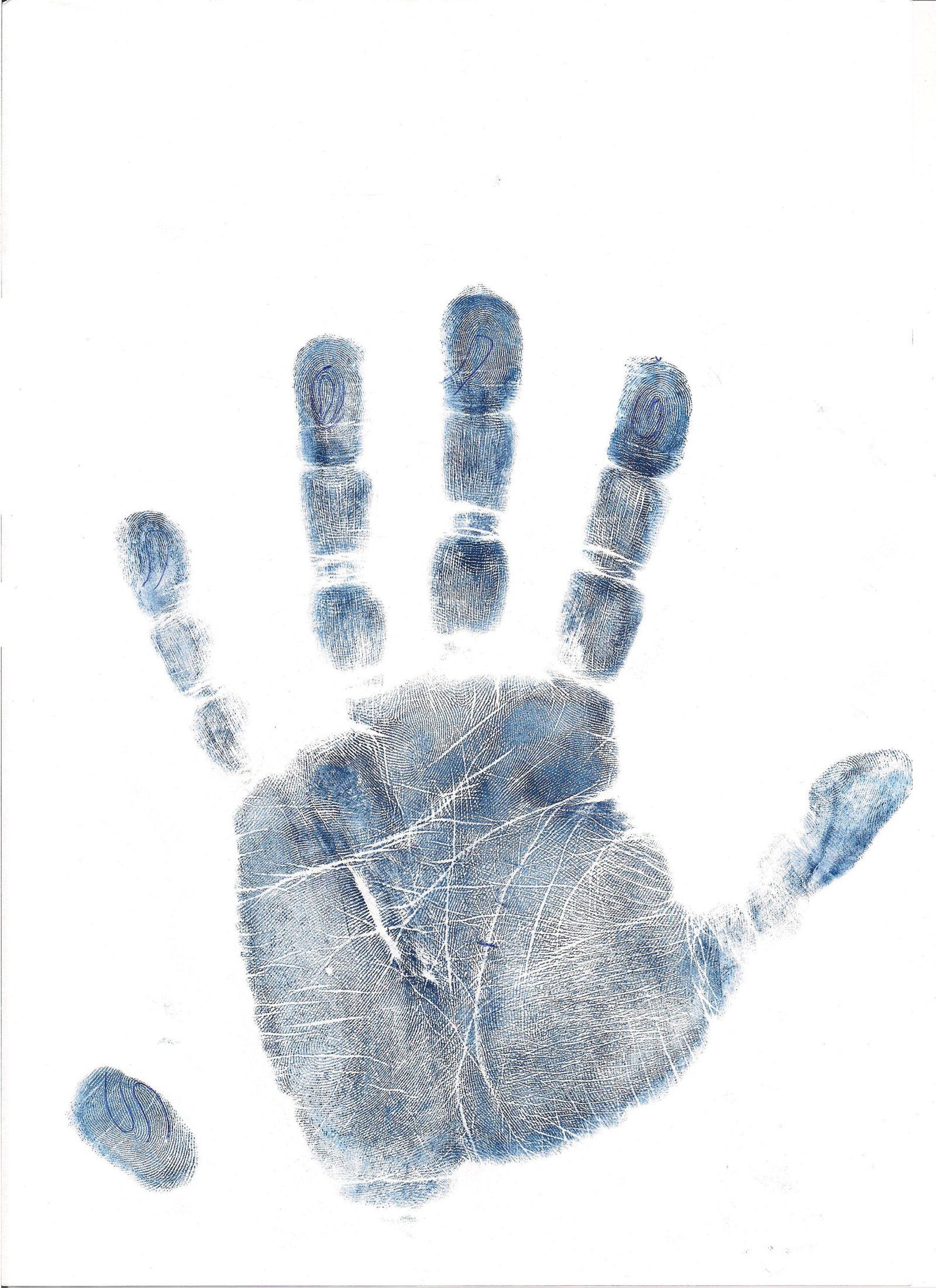
Fork in the Life Line
The Travel Fork
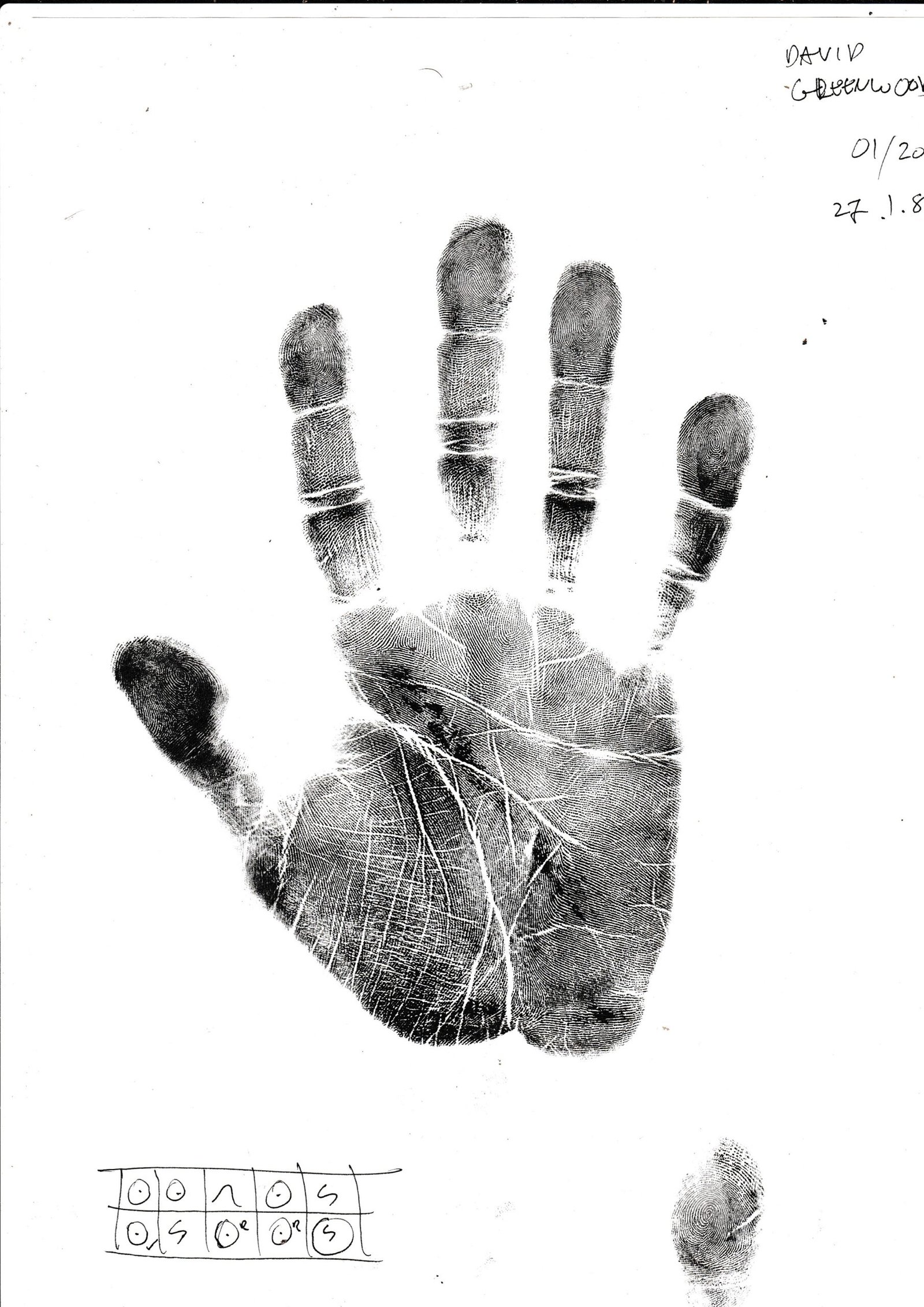
Fork in the Life Line, traditionally known as a Travel Fork
A fork on the Life Line typically branches outward into the ulnar side of the hand — the outer edge, away from the thumb. This shows a feeling of branching out and looking for adventure. It is as if the person’s root is exploring and seeking more. The fork is heading toward the outer part of the hand — toward the wider world.
Such a line is traditionally called a “travel fork” and there is genuine truth in this. The bearer has an internal feeling of exploration and adventure-seeking — though this will of course be expressed differently depending on hand shape, skin type and other features.
People with a fork in this direction need to feel a sense of freedom of movement and possibility. They like having trips lined up, moving around, exploring different bases and potentially different places to live — depending on the relative quality and strength of the forked line. They can feel trapped easily and need a lifestyle that offers movement, adventure, possibilities and freedom.
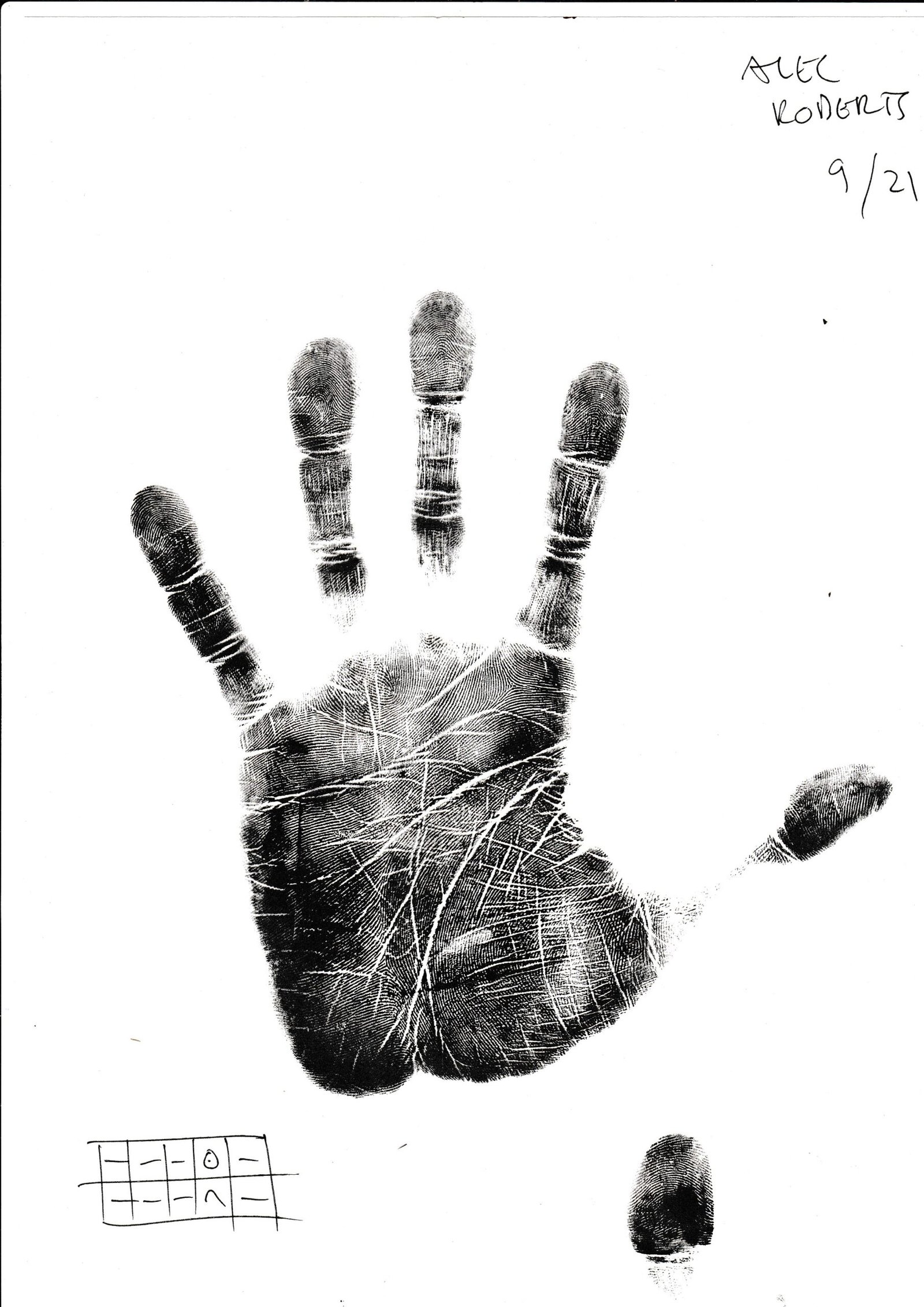
The outer branch on the Life Line fork is stronger. The clearer branch into the outer world shows a strong desire for travel, adventure, movement — as this is the dominant aspect of the fork.
The Inward Fork
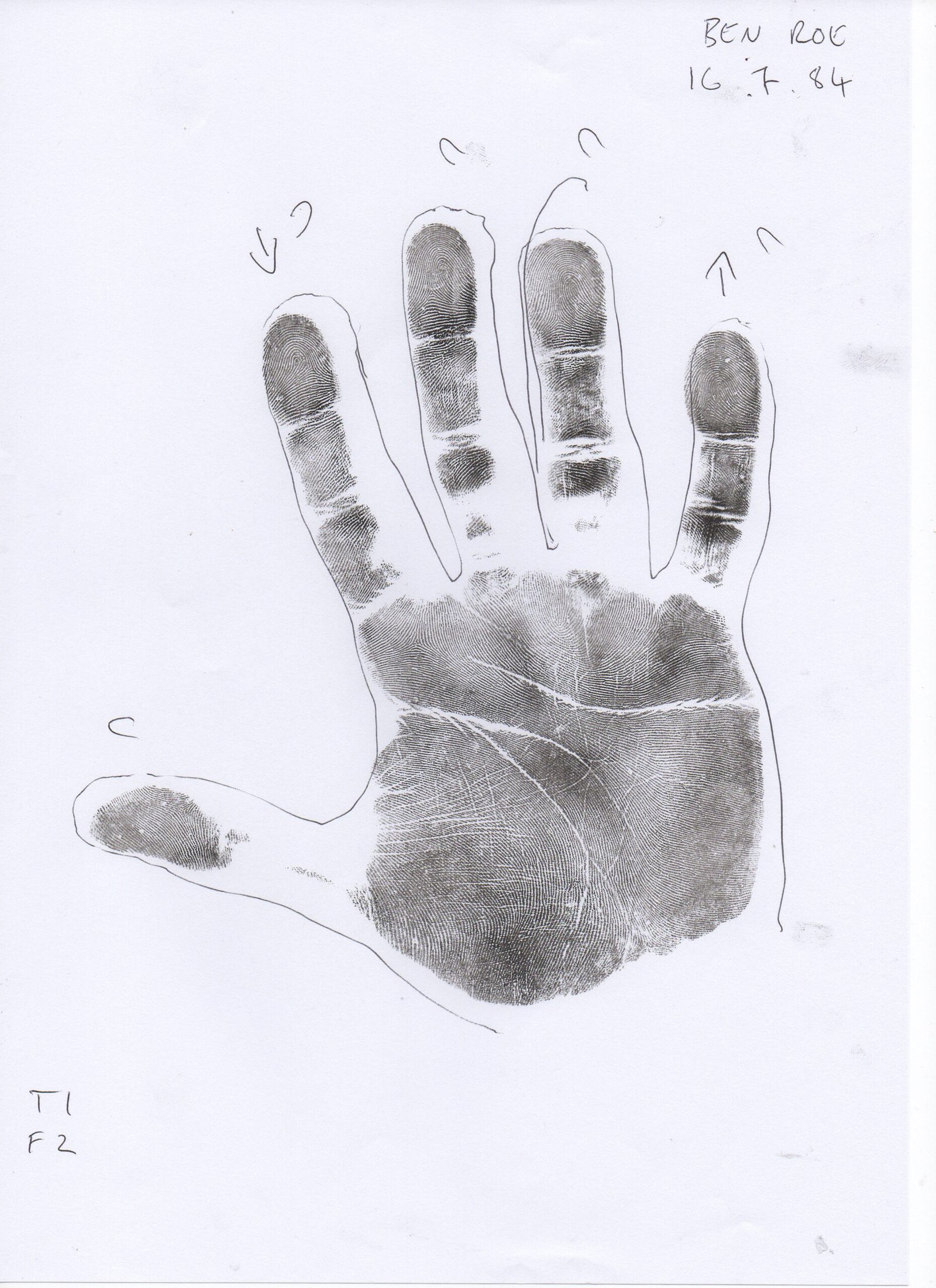
The Life Line branches with a stronger internal fork, suggesting a cautious, introverted approach to developing a sense of grounding, foundations and home
Occasionally you will find a fork that moves inward, toward the thumb ball area. This is a more retreating marking — showing a sense of caution and trepidation.
Where the outward fork shows someone moving psychologically and physically into the outer world, an inward fork shows a desire to move closer to an original home — to feel safer in a familiar, connected, family place. People with this marking will not want to push outwardly or take risks. Instead, they find comfort and stability in deepening their connection with what feels, in some way, representative of an original home.
Timing
Forks are best read holistically — meaning read them as a marking that reflects how a person is feeling now. If the fork is there, branching out into the outer world, this is how a person will feel in themselves.
You can apply Life Line timing to a fork — meaning when you find a branch coming off the Life Line at a particular chronological point, it would indicate a physical move or change at that time. However, for simplicity’s sake, it is often easier to understand markings on the Life Line as entirely representative of the present.
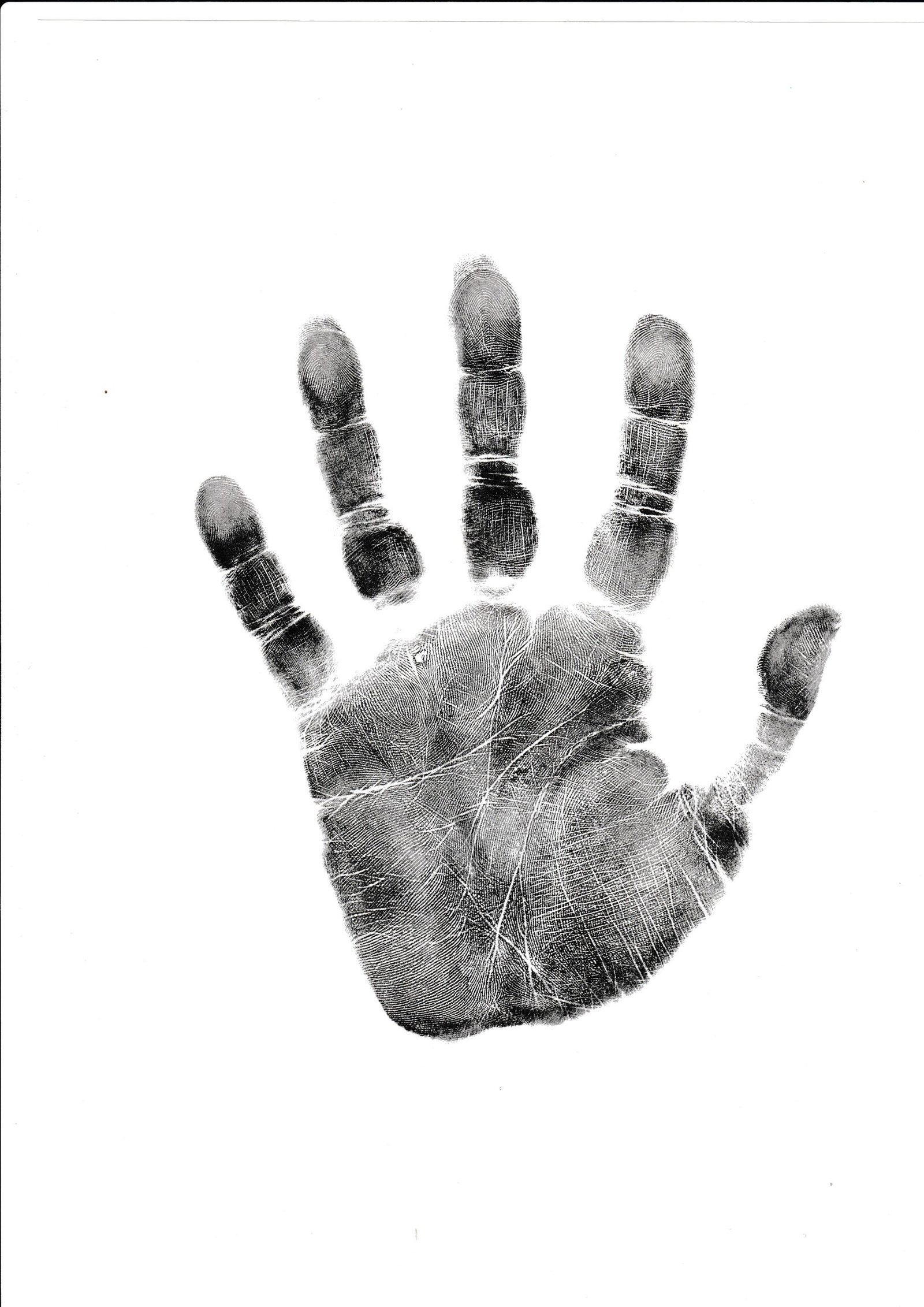
Chronologically, the fork from the Life Line branches out at approximately age 40. If timing the lines, we would see this as a major and significant decision at this age, where one’s physical, emotional or psychological sense of root and home would have been explored.
Small Forks and Feathering at the Base
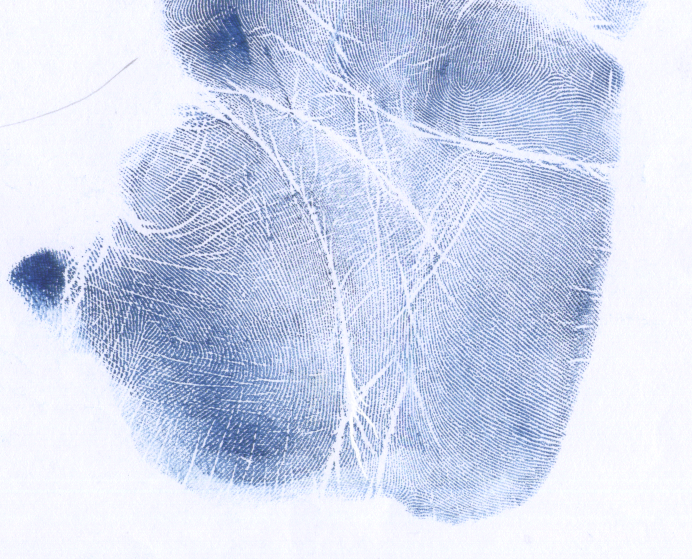
You will often see smaller forks or feathery lines coming off the Life Line near the base. This area relates physically to the stomach and digestion. The best way to read these fine, feathery lines is in relation to physicality and the body.
They show that something could be improved in digestion — often the person experiences IBS-type symptoms, bloating or a general sense that something is not quite right digestively. Most often this is related to food. But I have also found — depending on the quality of the rest of the base of the Life Line — that physical routine and the rhythm of the body is off and needs stabilising. Once a better routine for the body is established, the feathering lines can clear and digestive issues can improve.
In Summary
A fork in the Life Line — typically seen as an additional line branching out into the hand — shows movement and a desire for exploration. It gives a person a psychological root in more than one place and an inner need for freedom, adventure and the possibility of new horizons.
A fork is sometimes confused with a double Life Line — a different and distinct marking with its own separate meaning.
Frequently Asked Questions
What does a fork in the Life Line mean?
A fork in the Life Line shows diversity and movement in a person’s sense of root, home and foundation. The direction and strength of the branches are important. An outward fork is associated with exploration, travel and a desire for freedom, while an inward fork can suggest a stronger pull toward familiarity, security and home.
Does a fork in the Life Line mean you will travel?
A fork branching toward the outer edge of the hand is traditionally known as a Travel Fork. It is associated with a desire for movement, exploration and different experiences or places. The rest of the hand needs to be considered to understand how strongly this tendency is expressed.
Is a fork in the Life Line a bad sign?
No. A fork in the Life Line is not inherently negative. A fork generally indicates greater range and diversity. Whether this is experienced positively or negatively depends on the direction, strength and quality of the fork and the other features of the hand.
Can a fork in the Life Line indicate a move?
Life Line timing can be applied to a fork. When a branch occurs at a particular chronological point on the line, it can indicate a significant change in home, location or circumstances at that time. I generally find it more useful, however, to read markings on the Life Line holistically rather than treating the timing as a fixed prediction.
Is a fork in the Life Line the same as a Double Life Line?
No. A fork is a branching of the Life Line, whereas a Double Life Line involves a separate line running alongside the main Life Line. They are distinct markings and have different interpretations. You can read more about the Double Life Line here.









Leave a Comment